
Become A Yoga Teacher For $995 Online or $2295 In Person.
 Yoga Teacher Training in Hamilton: What to Expect and How to Choose the Right Program (2026 Guide)
If you are considering becoming a yoga teacher, understanding your options is critical. This guide, Yoga Teacher Training in Hamilton: What to Expect and How to Choose the Right Program (2026 Guide), breaks down what actually matters. Many programs promise transformation, flexibility, and certification. However, not all training delivers the same level of depth or real-world preparation. In 2026, students are more informed and more selective. They want clarity, structure, and outcomes.
Hamilton has become a growing hub for yoga education in Ontario. The city offers a mix of independent studios, hybrid programs, and traditional in-person teacher training. Each comes with different expectations, time commitments, and teaching standards. Choosing the right program is not about picking the cheapest or the most convenient option. It is about choosing a program that prepares you to teach confidently and competently.
This guide explains what to expect from yoga teacher training in Hamilton. It also shows how to evaluate programs based on structure, teaching quality, and long-term value. The goal is simple. By the end, you should know exactly what kind of training fits your goals and what to avoid.
What Yoga Teacher Training in Hamilton Actually Includes
Yoga teacher training in Hamilton typically follows a 200-hour certification model. This is the global baseline for becoming a yoga instructor. However, the structure and delivery can vary widely between programs. Some schools focus heavily on theory. Others emphasize practical teaching experience. The best programs balance both.
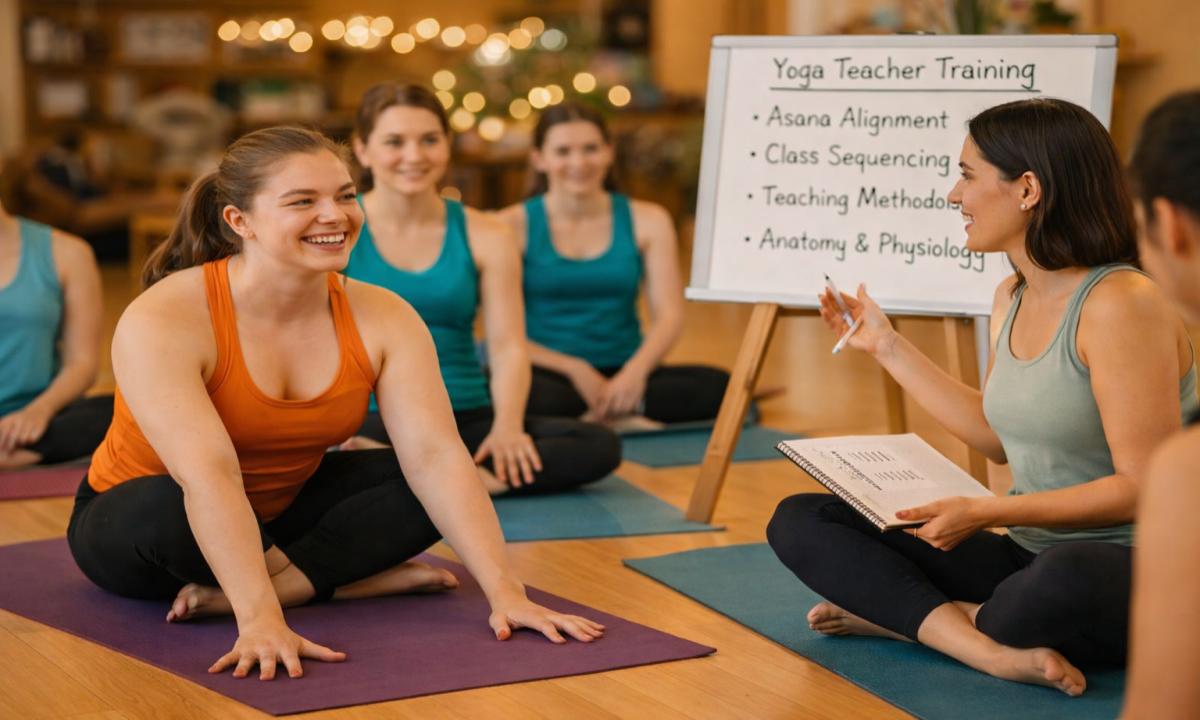
A standard training includes anatomy, philosophy, teaching methodology, and sequencing. Anatomy covers how the body moves and how to prevent injury. Philosophy introduces texts like the Yoga Sutras. Teaching methodology focuses on cueing, class structure, and communication. Sequencing teaches you how to design a complete class.
In Hamilton, many programs also include local teaching practice. This is a key advantage of in-person training. You work with real students in real environments. That experience builds confidence quickly. Online programs often lack this element or simulate it poorly.
You should also expect assignments, group work, and practical assessments. Strong programs require you to teach multiple classes before certification. This ensures you are not just learning theory but applying it.
Not all programs meet the same standard. Some rush through material. Others stretch content without adding depth. You need to look closely at how the hours are structured. A well-designed program uses time efficiently. It does not waste it.
Why Hamilton Is Becoming a Strong Location for Yoga Training
Hamilton offers a unique balance between accessibility and community. It is close to Toronto but has its own identity. This creates a more grounded and less competitive environment for learning. Students often find the atmosphere more supportive and less transactional.
The city has a growing wellness culture. New studios, practitioners, and community events are increasing every year. This creates more opportunities for new teachers after graduation. You are not just training in isolation. You are entering a network.
Cost is another factor. Training in Hamilton is often more affordable than in larger cities. However, lower cost does not automatically mean lower quality. Many programs keep prices reasonable while maintaining strong teaching standards.
Hamilton also offers diverse teaching environments. You may train in studios, community spaces, or hybrid settings. This exposure helps you adapt to different teaching conditions. It prepares you for real-world scenarios rather than idealized ones.
The local demand for yoga continues to grow. This means new teachers can find opportunities more easily than in oversaturated markets. However, success still depends on your skill level. Training quality matters more than location alone.
Choosing Hamilton is not just about convenience. It is about entering a developing market with real potential.
Online vs In-Person Yoga Teacher Training in 2026
In 2026, the choice between online and in-person training remains a major decision. Both formats have improved, but they are not equal. Each serves a different type of student.
Online training offers flexibility. You can study at your own pace. This works well for people with unpredictable schedules. It also reduces travel time and costs. However, flexibility comes with trade-offs.
The biggest limitation of online training is lack of real-time feedback. Teaching yoga is a physical and interpersonal skill. You need correction, observation, and interaction. Watching videos cannot replace that experience.
In-person training provides immediate feedback. Instructors can adjust your alignment, cueing, and presence. You also learn by observing others. This accelerates development. It creates a more immersive experience.
Another key difference is accountability. In-person programs require attendance and participation. This structure helps many students stay engaged. Online programs rely more on self-discipline. Not everyone thrives in that environment.
Employability is also a factor. Many studios prefer teachers who trained in person. They trust that those teachers have practical experience. Online certification alone may not carry the same weight.
The best choice depends on your goals. If you want to teach confidently, in-person training offers clear advantages. If you want general knowledge or personal growth, online may be enough.
Most serious students still choose in-person training for one reason. It prepares them to teach, not just to understand.
How to Evaluate a Yoga Teacher Training Program
Choosing the right program requires more than reading a website. You need to evaluate structure, instructors, and outcomes. Start with the curriculum. Does it clearly outline what you will learn each week? Vague descriptions are a red flag.
Next, look at the instructors. Experience matters, but so does teaching ability. A great practitioner is not always a great teacher. Look for instructors who actively teach classes, not just training programs.
Ask about teaching practice. How many classes will you teach before graduating? Programs that limit teaching opportunities leave students unprepared. You should practice teaching regularly.
Class size is another factor. Smaller groups allow for more feedback. Large groups often reduce individual attention. This affects learning quality.
Check how assessments work. Are you evaluated on real teaching ability or just attendance? Strong programs require you to demonstrate competence.
Look at post-training support. Do they help you transition into teaching? This could include mentorship, job connections, or continued education.
Finally, consider reputation. Reviews can help, but focus on detailed feedback. Look for patterns, not isolated comments.
A good program is transparent. It shows you exactly what to expect. If details are unclear, ask questions. If answers are vague, move on.
 What Most Students Get Wrong When Choosing Training
Many students focus on convenience over quality. They choose the closest or cheapest program without deeper evaluation. This often leads to disappointment.
Another common mistake is overvaluing certification labels. A 200-hour certificate is standard. It does not guarantee quality. What matters is how the training is delivered.
Some students underestimate the time commitment. Yoga teacher training requires focus and energy. Treating it as a casual activity reduces its value.
Others assume teaching will be easy after graduation. In reality, confidence comes from practice. Programs that limit teaching opportunities leave students struggling later.
Many students also avoid asking questions. They rely on marketing instead of direct communication. This leads to mismatched expectations.
Choosing training is an investment. It affects your confidence, skill level, and future opportunities. Taking shortcuts at this stage creates long-term limitations.
The best approach is simple. Evaluate carefully, commit fully, and choose quality over convenience.
What Happens After You Complete Yoga Teacher Training
Completing training is not the end. It is the starting point. After certification, most students enter a transition phase. This is where real teaching begins.
In Hamilton, new teachers often start with small classes. These may be community classes, studio subbing, or private sessions. Each experience builds confidence.
You will refine your teaching style over time. Training gives you a foundation. Real-world teaching shapes your identity as an instructor.
Networking becomes important. Building relationships with studios and other teachers creates opportunities. Hamilton’s growing yoga community supports this process.
Some graduates pursue further education. This may include advanced training or specialized certifications. Continuous learning improves teaching quality.
Income varies widely. Some teachers work part-time. Others build full-time careers. Success depends on consistency, skill, and effort.
The key is momentum. The sooner you start teaching, the faster you improve. Waiting too long reduces confidence.
A strong training program prepares you for this phase. It does not leave you guessing. It gives you the tools to move forward immediately.
Conclusion: Yoga Teacher Training in Hamilton: What to Expect and How to Choose the Right Program (2026 Guide)
Choosing the right training program shapes your entire experience as a yoga teacher. Yoga Teacher Training in Hamilton: What to Expect and How to Choose the Right Program (2026 Guide) shows that not all programs are equal. Structure, teaching quality, and real-world preparation matter more than convenience or price.
Hamilton offers strong opportunities for in-person training. The city combines accessibility, community, and growth potential. However, your success depends on the program you choose and the effort you put in.
In 2026, students have more options than ever. This makes careful evaluation essential. Focus on programs that prioritize teaching practice, clear structure, and experienced instructors. Avoid those that rely on vague promises or minimal engagement.
The goal is not just certification. The goal is competence and confidence. When you choose the right program, you leave ready to teach. That is what matters.