
 Yoga Teacher Training in Canada: What You Need to Know Before You Start

If you are thinking about becoming a yoga teacher, you are entering a space that is both flexible and complex. Yoga Teacher Training in Canada: What You Need to Know Before You Start is not just about picking a program and signing up. It is about understanding how the industry actually works before you invest your time, money, and energy. Canada offers a wide range of training options, from local studio programs to fully online certifications. On the surface, many of these programs look similar. They use the same language, the same “200-hour” structure, and often similar pricing. But the reality is that training quality varies significantly. There is no single governing body enforcing standards. That means your experience depends heavily on the program you choose. This guide will help you understand what matters, what to ignore, and how to make a smart decision.
Is Yoga Teacher Training Regulated in Canada?
One of the most important things to understand before starting is that yoga teacher training is not regulated in Canada. There is no federal or provincial licensing system for yoga teachers. This means anyone can technically create a yoga teacher training program and issue a certificate. While this gives the industry flexibility, it also creates inconsistency in quality. You may see organizations like Yoga Alliance referenced frequently, but it is important to understand what they actually do. Yoga Alliance operates as a registry, not a regulatory body. It sets internal guidelines for schools that choose to register with them, but it does not legally certify or license teachers. This distinction matters. It means you cannot rely on a label alone to determine quality. You need to evaluate each program carefully, looking at the structure, teaching quality, and real outcomes rather than just affiliations.
 What Does a 200-Hour Yoga Teacher Training Actually Mean?

The term “200-hour yoga teacher training” is used across Canada and internationally, but many people misunderstand what it represents. A 200-hour program is considered the foundational level of training. It typically includes yoga philosophy, anatomy, posture alignment, sequencing, teaching methods, and practice teaching. However, the way these hours are delivered can vary significantly between programs. Some schools run immersive, full-time courses over a few weeks, while others spread training over several months with weekend sessions. Online programs may allow students to complete modules at their own pace. The key point is that the number of hours alone does not guarantee quality. Two programs with the same hour count can produce very different outcomes. When evaluating a training, focus on how those hours are used. Look for structured learning, real teaching practice, and consistent feedback rather than just total time.
In-Person vs Online Yoga Teacher Training in Canada
Choosing between in-person and online training is one of the biggest decisions you will make. Each format offers clear advantages, but the best choice depends on how you learn and what you want to achieve. In-person training provides direct interaction with instructors and peers. You receive immediate feedback, hands-on adjustments, and a structured learning environment that keeps you accountable. This format is especially helpful if you plan to teach in studios right away or prefer guided learning. Online training, on the other hand, offers flexibility and accessibility. You can study from anywhere and often at your own pace. Many programs are more affordable and allow you to balance training with work or other commitments. However, not all online programs are equal. Strong programs include live sessions, assessments, and instructor feedback. Weak ones rely only on recorded content with little interaction, which can limit your development.
 How Much Does Yoga Teacher Training Cost in Canada?

The cost of yoga teacher training in Canada varies widely, but most programs fall within a predictable range. You can expect to pay between $1,500 and $3,500 CAD for a standard 200-hour training, with some premium programs exceeding that range. Online programs are often less expensive, while immersive or highly recognized programs may cost more. However, price alone does not determine quality. A higher cost does not always mean better training, and a lower cost does not automatically mean poor value. Instead of focusing only on price, evaluate what you are receiving. Look at the level of instruction, the amount of practice teaching, and the support provided during and after the program. Also consider whether there are additional costs such as materials, exams, or ongoing memberships. A strong program offers clear value through structure, feedback, and real preparation for teaching.
What You Actually Learn (And What You Don’t)
Yoga teacher training provides a strong foundation, but it is important to have realistic expectations about what you will gain from it. A well-structured program will teach you how to sequence classes, cue students clearly, understand basic anatomy, and apply alignment principles. You will also explore yoga philosophy and develop the ability to guide a class with confidence. Practice teaching is a key component, helping you transition from student to instructor. However, most programs do not fully prepare you for the realities of teaching in the real world. They often do not cover business skills, marketing, or how to build a client base. They may also not fully prepare you for managing diverse student needs in live classes. This is normal. Teaching is a skill that develops over time. Your training gives you the tools, but experience builds your confidence and effectiveness.
 Choosing the Right Yoga Teacher Training Program in Canada

Choosing the right program is the most important decision you will make in this process. There are many options available, and not all of them provide the same level of quality or support. Start by looking at the instructor rather than the brand. A knowledgeable and experienced teacher can significantly improve your learning experience. Next, review the curriculum carefully. A strong program has a clear structure, balanced content, and a focus on practical teaching skills. Practice teaching should be a central component, not an afterthought. You should have opportunities to lead classes and receive meaningful feedback. Also consider class size, as smaller groups often allow for more personalized instruction. Reviews can be helpful, but focus on consistent patterns rather than isolated comments. A well-designed program should feel structured, supportive, and focused on real skill development.
Certification, Credentials, and What They Actually Mean
After completing your training, you will receive a certificate, but understanding what that certificate represents is important. Many programs align with registries such as Yoga Alliance, which allow teachers to register and list their credentials. However, registration is not required to teach yoga in Canada. Studios may consider it, but many prioritize teaching ability over formal affiliation. Clients rarely ask about certification details. What matters most is your ability to guide a safe, effective, and engaging class. Credentials can support your credibility, but they do not replace skill or experience. It is also important to recognize that registries are not regulatory bodies. They do not enforce national standards or evaluate teaching ability in a consistent way. This reinforces the importance of choosing a high-quality training program from the start.
Can You Teach Yoga After Your Training?
Yes, you can begin teaching after completing a 200-hour training, but readiness varies from person to person. Most new teachers feel some level of uncertainty at the beginning. This is normal and part of the learning process. Confidence develops through experience, not just training. Starting with small groups or informal settings can help you build comfort and refine your teaching style. Teaching friends, community classes, or donation-based sessions can provide valuable practice without pressure. Feedback is essential during this stage. Listening to students and adjusting your approach will help you improve quickly. Many teachers find that their skills grow significantly within the first few months of consistent teaching. The key is to start. Waiting until you feel completely ready often delays progress. Teaching is a skill that strengthens through repetition and real-world application.
 Job Opportunities for Yoga Teachers in Canada

Yoga teaching offers a range of opportunities, but it is not limited to traditional studio classes. Many new teachers start by working in local studios, which may require auditions or trial classes. Building relationships within the yoga community can help you find these opportunities. Private sessions are another common path and often provide higher income per session. You can work with beginners, athletes, or individuals with specific needs. Corporate yoga is also growing, as companies invest more in employee wellness programs. Online teaching has expanded significantly, allowing you to reach students through live or recorded classes. Some teachers also create workshops or retreats as they gain experience. The path you choose will depend on your goals, consistency, and ability to build connections. Success in yoga teaching often comes from combining multiple income streams rather than relying on a single source.
How Long Does It Take to Become a Yoga Teacher?
The time required to complete yoga teacher training depends on the format you choose. Intensive programs can be completed in as little as three to four weeks, while part-time programs may take several months. Online programs offer the most flexibility, allowing you to progress at your own pace. There is no single “best” timeline. The right choice depends on your schedule, learning style, and level of commitment. Intensive programs can provide immersion and focus, but they require full availability during the training period. Part-time programs allow you to balance training with other responsibilities but may take longer to complete. Online programs offer convenience but require self-discipline. Regardless of the format, the quality of the program and your engagement with the material will have a greater impact than the timeline itself.
Common Mistakes to Avoid Before Starting
Many people make avoidable mistakes when choosing a yoga teacher training program. One of the most common is selecting a program based solely on price. While cost is important, it should not be the only factor. Another mistake is underestimating the time and effort required. Training requires focus, practice, and consistent participation. Some people also overlook the importance of teaching practice, choosing programs that do not provide enough real experience. This can leave them feeling unprepared after graduation. Another common issue is expecting immediate career success. Teaching yoga takes time to build, and income often grows gradually. Avoiding these mistakes starts with clear expectations and careful evaluation. Taking the time to choose the right program will improve your experience and your long-term results.
 How to Prepare Before You Start Your Training
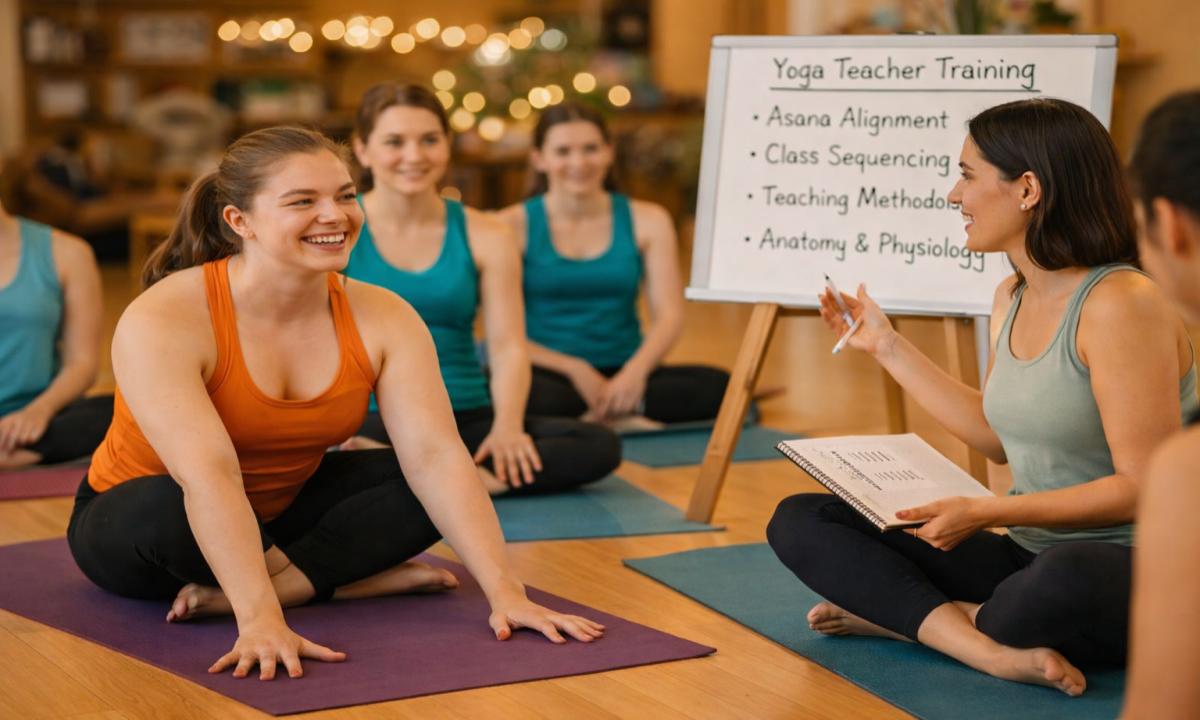
Preparing before your training begins can significantly improve your experience. Start by attending regular yoga classes and exploring different styles. This will help you understand what resonates with you and how different teachers approach their classes. Pay attention to how instructors cue movements, structure sequences, and interact with students. Building a consistent personal practice will also make the training process smoother. Reading basic yoga philosophy can provide useful context, especially when topics arise during training. Preparation does not need to be complicated. Simple, consistent effort will help you feel more confident and engaged when your training begins. Entering your program with some familiarity allows you to focus more on developing teaching skills rather than learning everything from scratch.
The Role of Ongoing Education
Completing a 200-hour training is only the beginning of your development as a yoga teacher. Ongoing education plays a key role in improving your skills and expanding your knowledge. Many teachers choose to pursue advanced training, such as 300-hour programs, to deepen their understanding of yoga. Others attend workshops or seek mentorship to refine specific aspects of their teaching. Specialized training in areas like yin yoga, prenatal yoga, or therapeutic approaches can also help you serve different student groups. Continued learning keeps your teaching fresh and allows you to adapt to changing student needs. It also helps maintain your engagement and motivation over time. Strong teachers treat education as an ongoing process rather than a one-time event.
Final Thoughts: Yoga Teacher Training in Canada: What You Need to Know Before You Start
Yoga Teacher Training in Canada: What You Need to Know Before You Start ultimately comes down to making an informed and intentional decision. Yoga teacher training in Canada offers flexibility and accessibility, but it also requires careful evaluation because it is not regulated. The quality of your experience depends on the program you choose, the instructor you learn from, and the effort you put into the process. Focus on real teaching practice, structured learning, and ongoing support rather than just certifications or branding. Understand that training is the starting point, not the final step. Teaching skill develops through experience, consistency, and continued learning. If you approach your training with clarity and commitment, it can become a strong foundation for both personal growth and professional development.