 How to Become a Yoga Teacher in Windsor (2026 Guide)
So you’ve been practicing yoga for a while. You love how it makes you feel. And lately, you’ve been thinking: what if I could share this with others?
Becoming a yoga teacher is one of the most meaningful career shifts you can make. It combines personal growth with professional purpose. It lets you build a life around something you genuinely love.
But it also raises a lot of questions. Where do you start? What certifications do you need? How long does it take? And what does the yoga scene in Windsor, Ontario actually look like?
This guide answers all of it. Whether you’re brand new to the idea or have been thinking about it for months, this is your complete roadmap for how to become a yoga teacher in Windsor (2026 Guide). Let’s get into it.
Why Windsor Is a Great City to Start Your Yoga Teaching Career
Windsor often flies under the radar in the Canadian wellness conversation. But the city has a quietly thriving yoga community.
Windsor sits on the Detroit River, bordered by one of the most densely populated metro areas in North America. That proximity to Detroit means a larger combined market than most people expect. Wellness culture is growing on both sides of the border.
Locally, Windsor has seen an increase in independent yoga studios, fitness centres with dedicated yoga programming, and community wellness initiatives. Places like the WFCU Centre, community recreation centres, and private studios all create demand for qualified instructors.
Beyond the studios, there’s growing interest in corporate wellness programs, yoga for seniors, prenatal yoga, and school-based mindfulness programs. Each of these is a potential income stream for a certified yoga teacher.
The cost of living in Windsor is also considerably lower than in Toronto, Hamilton, or Vancouver. That matters if you’re building a new career. Lower overhead means you can establish yourself without the financial pressure you’d face in larger cities.
Windsor also has a strong sense of community. Yoga teachers here often describe a collaborative rather than competitive atmosphere among studios and instructors. That’s a real advantage when you’re just starting out.
Understanding Yoga Teacher Training: The Basics
Before you sign up for anything, you need to understand how yoga teacher training (YTT) is structured.
The industry standard is set by Yoga Alliance, a globally recognized non-profit that accredits yoga teacher training programs. While Yoga Alliance registration isn’t legally required to teach yoga in Canada, it is the benchmark most studios, gyms, and employers look for when hiring.
Yoga Alliance recognizes two main levels of initial certification:
- RYT 200 – Registered Yoga Teacher with 200 training hours (entry level)
- RYT 500 – Registered Yoga Teacher with 500 training hours (advanced)
Most people start with the 200-hour program. It gives you everything you need to begin teaching legally and professionally.
A standard 200-Hour YTT covers:
- Yoga philosophy and history (including study of texts like the Yoga Sutras of Patanjali)
- Anatomy and physiology as it applies to yoga
- Teaching methodology and sequencing
- Hands-on adjustment and assist techniques
- Ethics and the business of teaching yoga
- Practicum hours (actual teaching experience)
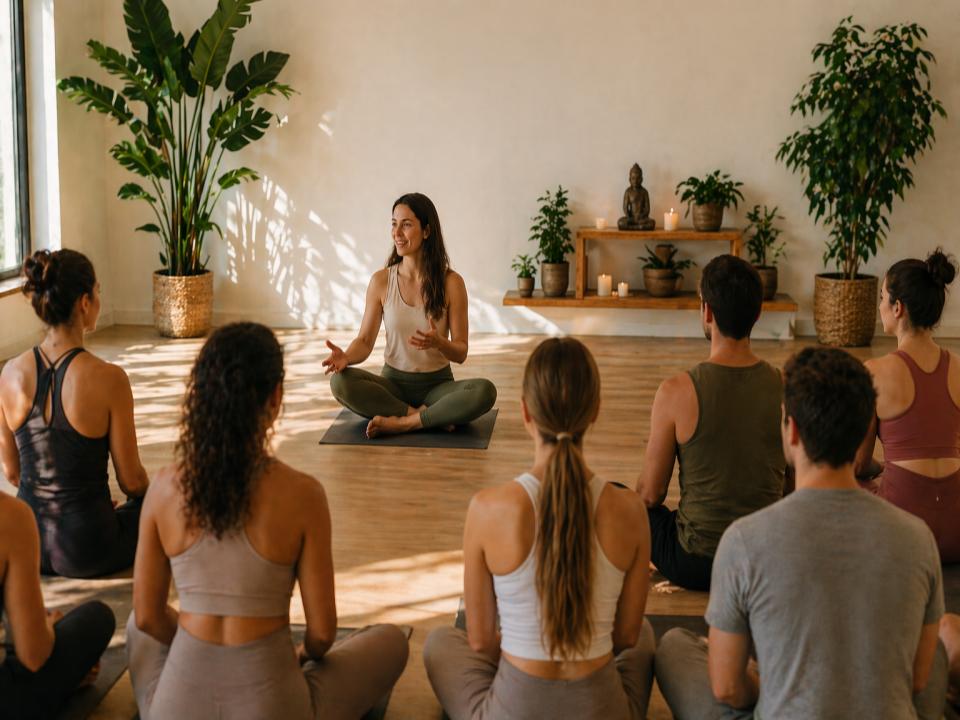
Programs vary in how they deliver these hours. Some are full-time immersive intensives. Others are part-time weekend formats spread over several months. There are also hybrid and online options, though in-person training is widely considered more comprehensive for beginners.
 How Long Does It Take to Become a Yoga Teacher?
This is one of the most common questions, and the honest answer is: it depends.
A full-time intensive 200-Hour YTT can be completed in as little as three to four weeks. These immersive formats are popular for people who want to move quickly and can take time away from other commitments.
A part-time 200-Hour YTT typically runs on weekends over three to six months. This format works well for people with jobs, families, or other responsibilities who want to learn at a sustainable pace.
After completing your 200-hour training, you can register with Yoga Alliance and begin teaching immediately. Many graduates start teaching within weeks of finishing their program.
If you want to pursue the 500-Hour RYT, you’ll typically complete your 200-hour first, teach for a period of time, and then pursue the additional 300 hours of advanced training. That pathway usually takes one to two years in total.
There’s no single “right” timeline. The best program is the one that fits your life and learning style.
What to Look for in a Yoga Teacher Training Program
Not all yoga teacher training programs are equal. Here’s what to evaluate before you commit.
Yoga Alliance accreditation. Make sure the program is registered with Yoga Alliance as an RYS (Registered Yoga School). This is the industry standard. Some programs claim to offer “200 hours of training” without proper accreditation. That can limit where you teach and undermine your credentials.
Lead trainers and faculty. Who is actually teaching the program? Look for experienced instructors with strong teaching backgrounds, ideally with multiple years of teaching and their own continued study. Read their bios. If you can, attend one of their public classes before committing.
Curriculum depth. A solid 200-hour program covers philosophy, anatomy, teaching methodology, ethics, and practicum teaching. If a program skips or glosses over any of these areas, that’s a red flag.
Community and support. Training to become a yoga teacher is emotionally and physically demanding. Programs that foster a strong community environment help students thrive. Ask about class sizes, support during and after training, and whether there’s a graduate community.
Reputation and reviews. Look for testimonials from actual graduates. Ask if you can speak with someone who has completed the program. Online reviews are helpful, but direct conversation gives you a clearer picture.
Format and scheduling. Be honest with yourself about your schedule and learning style. An intensive that runs 10 hours a day for four weeks is wonderful for some people and completely unsustainable for others. Choose a format that sets you up for success.
The Yoga Teacher Training Landscape in Southern Ontario
Windsor-based yoga seekers have several practical options when it comes to YTT programs. Southern Ontario has a number of Yoga Alliance-accredited schools offering in-person, weekend, and intensive formats.
Some Windsor residents choose to travel to programs in London, Hamilton, or Toronto for their training. This is worth considering if there’s a specific teacher, lineage, or format you’re drawn to. The drive from Windsor to Toronto is roughly four hours — manageable for weekend-format programs.
Others prefer to find training closer to home or in a hybrid format that minimizes travel. The growth of online and partially online YTTs since 2020 has made it easier to access quality training without leaving Windsor.
It’s also worth noting that the Detroit metro area (just across the bridge) has active yoga teacher training programs. If you hold dual citizenship or are comfortable with cross-border study, this expands your options further.
When evaluating programs outside Windsor, consider:
- Travel and accommodation costs
- How the training hours are structured (evenings, weekends, intensives)
- Whether the program offers any local mentorship or support post-graduation
- Whether the school has a graduate community you can plug into
The right training doesn’t have to be in your backyard. But it should fit your life.
 Yoga Styles: What Kind of Teacher Do You Want to Be?
One thing that surprises many aspiring teachers: yoga teacher training is not one-size-fits-all. Different programs emphasize different styles of yoga, and the style you train in shapes the kind of teacher you become.
Some of the most common styles you’ll encounter include:
Hatha yoga – The foundation of most modern yoga. Focuses on basic postures and breath work. Excellent grounding for new teachers.
Vinyasa yoga – A dynamic, flowing style that links movement with breath. Very popular in studios across Canada and the US.
Yin yoga – A slower, more meditative practice with long-held passive poses. Growing in popularity for stress relief and flexibility.
Restorative yoga – Uses props and passive postures to promote deep relaxation. Often taught in therapeutic and clinical settings.
Ashtanga yoga – A traditional, structured sequence-based practice with a strong physical component. Studied through the Ashtanga Yoga Research Institute lineage.
Kundalini yoga – Combines breath, movement, and mantra. Rooted in a distinct spiritual tradition.
You don’t have to specialize immediately. Most 200-hour programs teach a broad base. But knowing which styles resonate with you helps you choose the right training and eventually build a signature teaching voice.
What Happens After You Graduate?
This is where many new teachers feel uncertain. You’ve completed your training. You have your certificate. Now what?
Register with Yoga Alliance. After completing an accredited 200-hour program, you can apply for RYT 200 status through Yoga Alliance’s website. There’s an annual membership fee, but the credential opens doors.
Get liability insurance. This is essential before you teach a single class. In Canada, organizations like Holistic Health Practitioners of Canada and belairdirect offer coverage for yoga teachers. Some Yoga Alliance membership tiers include coverage as well. Don’t skip this step.
Start teaching. The fastest way to improve is to teach. Offer free or donation-based classes to friends and family. Reach out to local studios about subbing opportunities. Contact community centres in Windsor about rental space. Start a small online class through Zoom or Healcode. Just start.
Build your continuing education. The best teachers never stop learning. After your 200-hour, continue your study through workshops, specialty trainings, and mentorship. Yoga International and Glo are excellent platforms for ongoing professional development.
Develop your personal brand. Even if you plan to teach at studios, having a simple online presence matters. A basic Instagram profile, a Google Business profile, and even a simple website help people find you and build trust before they ever walk into your class.
How Much Do Yoga Teachers Earn in Windsor?
Let’s talk money honestly.
Yoga teaching income varies widely. Studio teachers in Canada typically earn $25–$60 per class at the entry level. Experienced teachers with strong followings, specialty training, or private clients earn significantly more.
According to Indeed Canada, the average hourly rate for yoga instructors in Ontario sits around $35–$50 per hour, though this varies by format, employer, and experience level.
Private yoga clients typically pay $80–$150 per session or more. Corporate wellness contracts, where you teach weekly classes to a company’s employees, can provide reliable income streams. Retreats, workshops, and online offerings add further income diversity.
Most yoga teachers in Windsor — and across Canada — do not teach yoga exclusively at the start. Many combine part-time teaching with another job while building their student base. This is completely normal and strategically smart.
Over time, as you build your reputation and client roster, income grows. Teachers who develop multiple revenue streams (studio classes, privates, online content, workshops) tend to earn the most.
Financial planning matters. As a self-employed teacher, you’ll be responsible for your own taxes, CPP contributions, and benefits. Working with an accountant who understands self-employment from the start saves headaches later. The Canada Revenue Agency has resources for self-employed individuals that are worth reviewing.
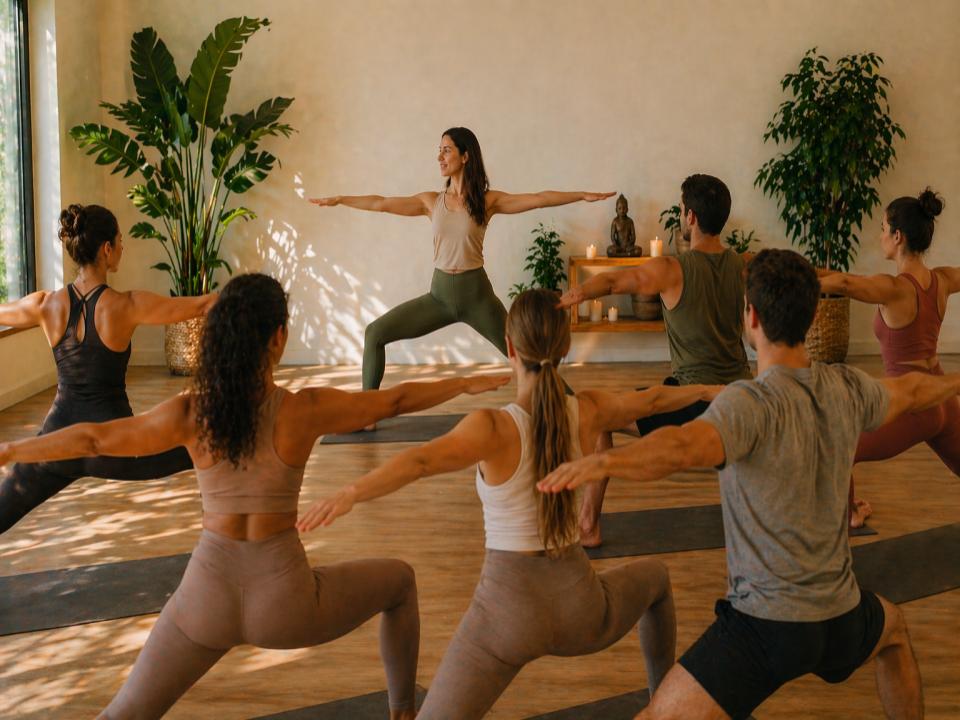 Building a Career in Windsor’s Yoga Community
Getting certified is step one. Building a career is the longer, more rewarding journey.
Connect with the local community first. Attend classes at Windsor studios. Introduce yourself as a new teacher. Yoga communities tend to be welcoming, and showing up consistently builds relationships that lead to opportunities.
Offer to sub classes. Subbing — covering another teacher’s class when they’re unavailable — is how many new teachers get their first studio experience. It’s lower stakes than leading your own class and helps you build rapport with studio owners.
Think beyond studios. Windsor has corporate offices, community centres, senior living facilities, sports teams, and schools. All of these are potential clients for yoga programming. Don’t limit your imagination to the traditional studio model.
Use social media intentionally. You don’t need to post every day, but a consistent presence on Instagram or Facebook helps prospective students find you. Share genuinely helpful content — short tips, poses of the week, reflections on your practice. Be yourself.
Consider a niche. The yoga market is broad, but teachers who develop a clear specialty often grow faster. Options include prenatal yoga, yoga for athletes, yoga for anxiety, chair yoga for seniors, or trauma-informed yoga. Specialty training certifications (typically 20–85 hours) can be added after your 200-hour to deepen your expertise.
Common Mistakes New Yoga Teachers Make (and How to Avoid Them)
Understanding where others stumble helps you move forward with more confidence.
Waiting until they feel “ready.” You will never feel completely ready. Readiness comes from doing the thing, not from waiting to feel prepared enough. Teach as soon as you graduate.
Undercharging for private sessions. New teachers often price themselves too low out of insecurity. Your training, expertise, and the value you provide justify fair compensation. Price with confidence.
Neglecting business basics. Teaching yoga is also running a business. Learn the basics of invoicing, budgeting, taxes, and contracts early. Ownr and similar platforms make it easier to set up as a sole proprietor in Ontario.
Copying another teacher’s style. Your students come to you, not to a recreation of someone else. Let your training inform you, but let your personality and authentic voice lead your classes.
Ignoring self-care. Teaching yoga can be physically demanding. You’re often demonstrating, adjusting, and holding space for others. Maintain your own practice. Take rest days. Attend classes as a student. Your practice is your fuel.
Specialty Certifications That Can Boost Your Career
Once you have your 200-hour, the door opens to specialty certifications that can expand your offerings and earning potential.
Yin Yoga Teacher Training – A growing area of interest. Yin certifications are typically 50 hours and highly marketable in wellness and therapeutic settings.
Prenatal Yoga Certification – Specialized training for teaching pregnant students. Yoga Alliance recognizes Prenatal Yoga specialty registrations. This niche has consistent demand.
Yoga for Seniors / Chair Yoga – Windsor has a significant senior population. Teachers with this specialty can work in long-term care, community centres, and private settings.
Trauma-Informed Yoga – Organizations like Trauma Center Trauma-Sensitive Yoga (TCTSY) offer certifications that allow teachers to work with populations recovering from trauma. This is a meaningful and growing field.
Yoga Nidra – A guided meditation and deep relaxation practice with broad appeal. Yoga Nidra certifications are often short (20–30 hours) and pair well with restorative yoga offerings.
Kids Yoga – Teaching yoga to children is rewarding and in demand. Programs like Rainbow Kids Yoga offer recognized certifications.
None of these specialties replace your foundational 200-hour training. They build on it. Take your time. Add specialties that genuinely interest you rather than chasing trends.
Is Yoga Teacher Training Right for You?
This guide has covered a lot of ground. But before we close, it’s worth sitting with the most important question: is this the right path for you?
Yoga teacher training changes people. It deepens your practice. It challenges your assumptions. It asks you to look honestly at yourself. Former students consistently describe their YTT as one of the most transformative experiences of their lives — regardless of whether they ended up teaching professionally.
You don’t have to be certain about your career direction to start. Many people enter YTT primarily to deepen their personal practice and discover — partway through — that they want to teach. Others enter with clear teaching goals and find the training opens unexpected doors.
What matters is that you’re drawn to it. That you’re willing to commit. That you’re open to growth.
If that resonates, you’re probably ready.
Conclusion: Your Path to Becoming a Yoga Teacher in Windsor Starts Here
How to become a yoga teacher in Windsor (2026 Guide) — that’s what this was about. And the answer is more accessible than you might have thought.
Here’s the short version: complete a Yoga Alliance-accredited 200-hour yoga teacher training, register as an RYT, get liability insurance, and start teaching. Build from there. Choose specialties that excite you. Connect with Windsor’s yoga community. Price yourself fairly. Keep learning.
The Windsor yoga scene is welcoming, growing, and genuinely in need of skilled, passionate teachers. There’s room for you here.
If you’re ready to take the next step, explore our 200-Hour Yoga Teacher Training program — designed to give you the foundation, confidence, and credentials to step into the studio and lead.