
Become A Yoga Teacher For $995 Online or $2295 In Person.
 Yoga Teacher Training Toronto: What You Need to Know in 2026
Yoga Teacher Training Toronto: What You Need to Know in 2026 is a topic that reflects how much the industry has changed in recent years. More people want to teach yoga, but they also want clarity before committing. Toronto offers many options, but not all programs are equal. Some are in-person, while others are online or hybrid. Each format promises certification, but the experience can differ greatly.
In 2026, students are more informed and more selective. They want training that feels real, practical, and worth the investment. They also want programs that prepare them for teaching, not just passing. This means understanding the structure, costs, expectations, and outcomes of yoga teacher training in Toronto. It also means knowing what to avoid.
This guide breaks down what matters most. It avoids hype and focuses on facts. It reflects current expectations, real outcomes, and the direction of the industry. It also aligns with how search engines now evaluate content. Clear, useful, and experience-based information matters most.
What Yoga Teacher Training in Toronto Actually Includes
Yoga teacher training in Toronto usually follows a 200-hour certification model. This format is widely recognized across Canada and internationally. However, the structure inside those 200 hours can vary. That is where the real difference lies.
Most programs include core areas such as asana practice, anatomy, philosophy, and teaching methodology. These are the foundations of becoming a yoga teacher. You will learn how to sequence classes, cue safely, and understand basic movement patterns. You will also study the history of yoga and key philosophical texts.
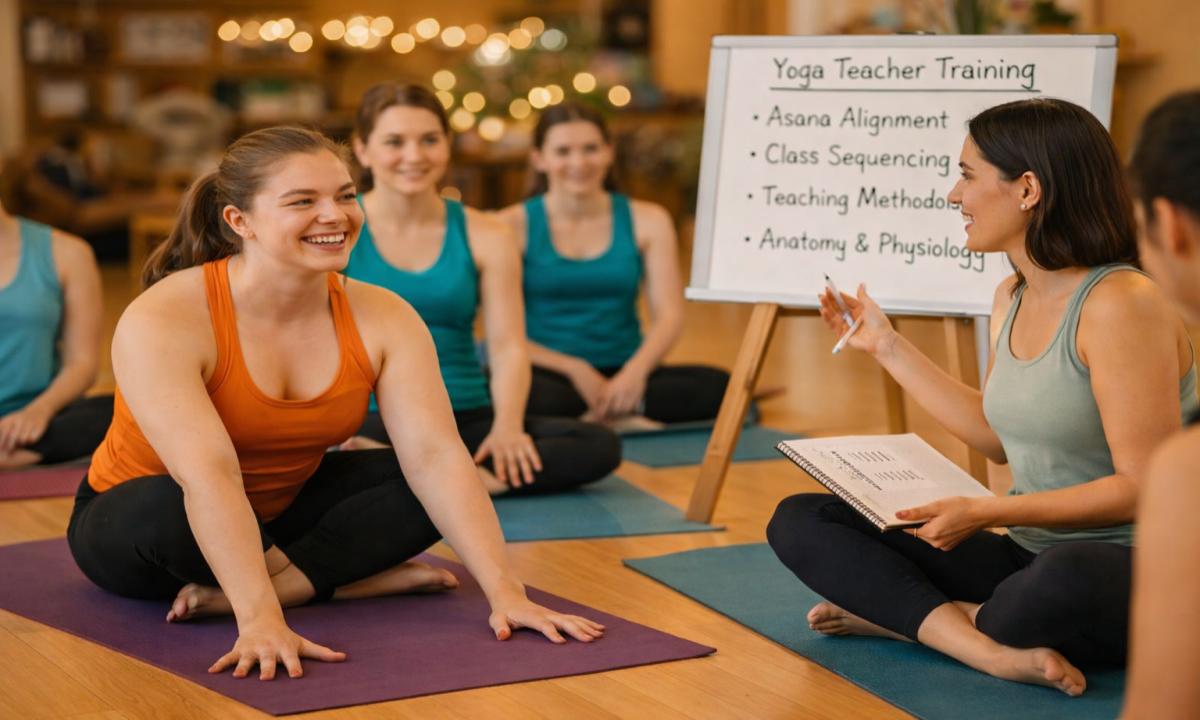
In Toronto, many programs are delivered in intensive formats. These may run over several weeks or weekends. Some programs offer flexible scheduling, while others require full-time commitment. In-person training usually includes live teaching practice. This is a major advantage because it builds confidence and real-world skill.
Students also complete practicum hours. This means teaching peers or small groups under supervision. Feedback is often immediate and practical. This helps students improve quickly and understand how to manage a class environment.
Some programs also include mentorship or post-training support. This can involve helping graduates find teaching opportunities or refine their teaching style. Not all programs offer this, so it is important to check.
In short, the structure is similar across schools, but the depth and delivery can differ. The best programs focus on teaching ability, not just certification.
 How Toronto Compares to Other Cities for Yoga Training
Toronto stands out as one of the most active yoga markets in Canada. It has a large population, diverse communities, and a strong wellness culture. This creates demand for yoga classes and trained teachers. As a result, there are many training programs available.
Compared to smaller cities, Toronto offers more variety. You will find traditional yoga schools, modern fitness-focused programs, and niche styles. This can be an advantage, but it can also create confusion. More options do not always mean better quality.
Toronto also has higher costs. Training fees, rent, and general living expenses are higher than in most Canadian cities. This affects both students and new teachers. It is important to factor this into your decision.
However, Toronto also offers more opportunities after training. There are more studios, gyms, and wellness centers. There are also more chances to build a client base. Networking is easier in a larger city. You can attend workshops, events, and community classes regularly.
Another factor is competition. Toronto has many trained teachers. This means you need to stand out. A strong training program can help with this. It can give you better skills and more confidence.
Overall, Toronto is a strong location for yoga teacher training. It offers opportunity, but it also requires commitment and realism.
In-Person vs Online Training in 2026
In 2026, both in-person and online yoga teacher training are widely available. Each format has its advantages. However, they are not equal in terms of experience and outcome.
In-person training provides direct interaction. You learn by doing, not just watching. You receive real-time feedback from instructors. You also practice teaching in front of others. This builds confidence and presence. These are essential skills for a yoga teacher.
Online training offers flexibility. You can study from home and set your own pace. This works well for people with busy schedules. It is also often more affordable. However, online programs can lack depth in practical teaching.
One major difference is accountability. In-person programs require attendance and participation. This keeps students engaged. Online programs rely more on self-discipline. Some students struggle with this.
Another difference is community. In-person training creates strong connections. You meet peers, share experiences, and support each other. This often leads to long-term relationships. Online programs may not offer the same level of connection.
From a career perspective, in-person training often prepares students better. You gain hands-on experience and learn how to manage real classes. This can make a difference when applying for teaching roles.
In 2026, both formats are valid. However, students who want to teach confidently often benefit more from in-person training.
What Yoga Teacher Training Costs in Toronto
Cost is one of the biggest factors when choosing a program. In Toronto, yoga teacher training can range widely in price. Most 200-hour programs fall between $2,500 and $5,000. Some premium programs may cost more.
The price often reflects the structure and level of support. Programs with smaller groups, experienced instructors, and mentorship tend to cost more. Programs that are larger or more automated may cost less.
It is important to understand what is included. Some programs include manuals, workshops, and additional resources. Others may charge extra for these. Always review the full breakdown before enrolling.
Payment plans are often available. This can make training more accessible. However, it is still a significant investment. You should consider your financial situation and goals.
Another factor is value. A lower price does not always mean better value. A program that prepares you well can lead to teaching opportunities. This can offset the initial cost.
You should also consider hidden costs. These may include transportation, accommodation, or missed work. These can add up over time.
In summary, yoga teacher training in Toronto requires a financial commitment. The key is to choose a program that provides real value, not just a certificate.
What to Look for in a Toronto Yoga Teacher Training Program
Choosing the right program is critical. Not all yoga teacher trainings are equal. Some focus on depth and skill, while others focus on volume.
One of the first things to check is the teaching experience of the instructors. Experienced teachers can provide better guidance and real-world insight. They can also help you avoid common mistakes.
Another factor is class size. Smaller groups allow for more attention and feedback. This improves learning and confidence. Larger groups may feel less personal.
You should also look at the curriculum. It should cover both theory and practice. Teaching methodology should be a major component. This is what prepares you to lead classes.
Ask about practicum hours. These are essential for building teaching skills. Programs that include regular teaching practice are more effective.
Support after graduation is also important. Some programs offer mentorship or job placement assistance. This can help you transition into teaching.
Reviews and testimonials can provide insight. Look for feedback from past students. This can reveal strengths and weaknesses of the program.
Finally, trust your instinct. If a program feels too sales-driven or unclear, it may not be the right fit.
Career Outcomes After Yoga Teacher Training in Toronto
Many people take yoga teacher training with the goal of teaching. However, the reality can vary. Not all graduates become full-time teachers.
In Toronto, there are many opportunities, but also competition. New teachers often start with part-time classes. These may be at studios, gyms, or community centers. Pay can vary depending on the location and experience.
Building a client base takes time. It requires consistency and effort. Some teachers also offer private sessions or online classes. This can increase income.
Yoga teacher training can also lead to other paths. Some graduates use it to deepen their practice. Others integrate yoga into existing careers. This may include coaching, therapy, or fitness.
It is important to have realistic expectations. Teaching yoga can be rewarding, but it may not provide immediate financial stability. Many teachers combine it with other work.
The key is to focus on skill development. A strong foundation can open more opportunities over time. Networking and community involvement also play a role.
In 2026, the yoga industry continues to evolve. Teachers who adapt and continue learning tend to succeed.
Conclusion: Yoga Teacher Training Toronto: What You Need to Know in 2026
Yoga Teacher Training Toronto: What You Need to Know in 2026 comes down to clarity and intention. Toronto offers strong opportunities, but it also requires informed decisions. The quality of your training will shape your experience and outcomes.
In-person training often provides the most complete preparation. It builds confidence, skill, and connection. Online training offers flexibility, but may lack practical depth. Cost, structure, and support all matter.
The best approach is to choose a program that aligns with your goals. Focus on real learning, not just certification. Ask questions, review details, and think long term.
Yoga teacher training is not just a course. It is a step into a new role. The right choice can set a strong foundation for years to come.