
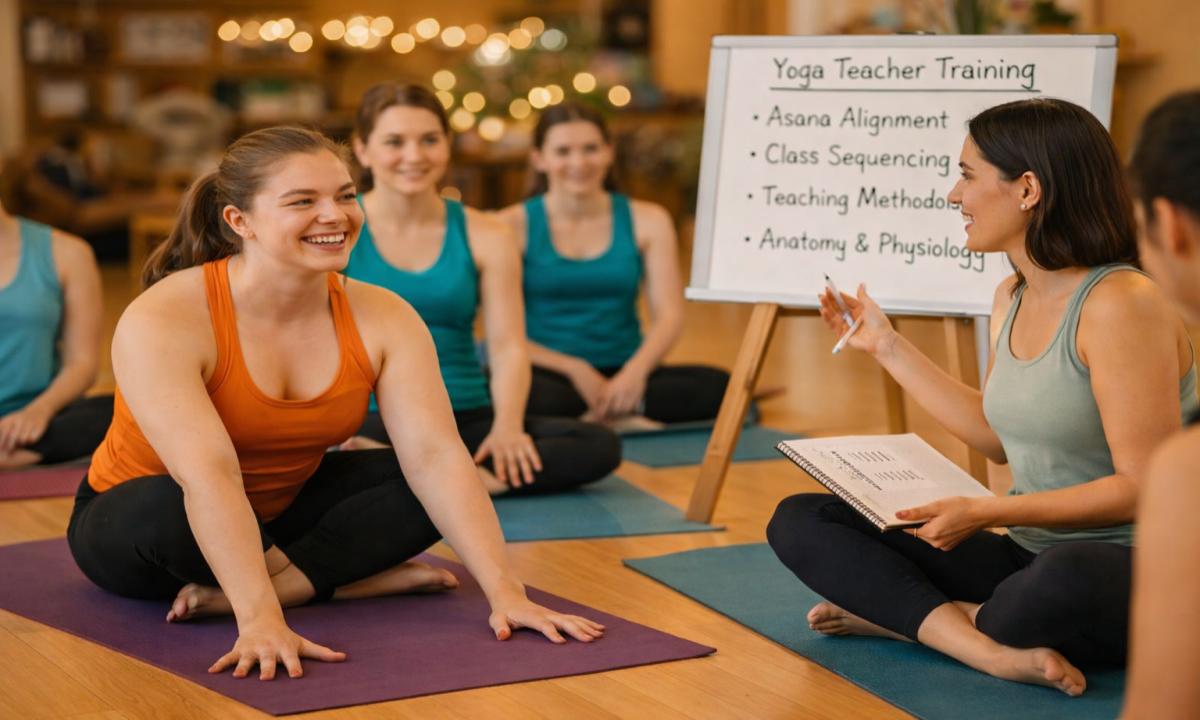
Become A Yoga Teacher For $995 Online or $2295 In Person.
 The Real Career Paths After Yoga Teacher Training (And What Most Graduates Actually Do)
Many people begin yoga teacher training with a simple question in mind. What happens after the certificate? The idea of becoming a yoga teacher sounds appealing. You imagine guiding classes, helping people move better, and building a meaningful career around wellness. However, the real outcomes after training are more varied than most programs advertise.
Yoga teacher training, especially the common 200-hour certification, opens several possible paths. Some graduates teach full time. Many teach part time. Others use the training to deepen personal practice or integrate yoga into another profession. None of these outcomes are unusual. They reflect the reality of the modern yoga industry in 2026.
Understanding these outcomes matters before enrolling in a program. A training should prepare students not only to teach poses but also to understand the opportunities and limits of the field. Clear expectations help students choose the right training and plan their next steps.
This article explores the real career paths after yoga teacher training and explains what most graduates actually do. It looks at common teaching roles, hybrid careers, and non-teaching paths that still benefit from training. The goal is not to discourage new teachers. Instead, the goal is to present a realistic view of how yoga training fits into modern careers.
Teaching Weekly Classes at Studios or Community Centers
How studio teaching usually begins
For many graduates, the first step after training is teaching weekly classes. Studios, recreation centers, and community halls often hire new teachers for beginner classes, substitute positions, or specialty sessions. This path feels like the most traditional route after completing yoga teacher training.
Most new teachers begin with one or two classes per week. Studios rarely give many classes to new instructors immediately. Owners want to see reliability, teaching ability, and student feedback before offering additional time slots. Early teaching opportunities often include early morning classes, weekend classes, or substitute teaching.
Teaching weekly classes provides valuable experience. New instructors learn how to manage a room, adapt sequences, and communicate clearly with students. These skills develop through repetition. Even confident trainees improve quickly after teaching real classes.
Income expectations for studio teaching
Studio teaching income varies widely by location and studio type. Teachers may receive a flat rate per class, a percentage of class revenue, or a combination of both. In many cities, instructors earn between $30 and $80 per class depending on experience and attendance.
Because of these pay structures, teaching a few classes per week rarely replaces a full-time income immediately. Most teachers treat these early classes as experience-building opportunities rather than a primary income source.
Still, studio teaching remains an important starting point. It helps teachers build confidence, develop their teaching voice, and establish connections within the yoga community.
Teaching Yoga as a Part-Time Career
Why many teachers keep another profession
A large number of yoga teacher training graduates teach yoga part time while maintaining another career. This approach offers flexibility and financial stability. Teaching a few classes per week can fit easily around work schedules.
Professionals from many fields choose this path. Teachers, healthcare workers, therapists, fitness trainers, and office professionals often add yoga instruction to their weekly routine. Teaching yoga becomes a meaningful extension of their lifestyle rather than a full-time job.
This hybrid approach reflects the realities of the wellness industry. Studio teaching alone rarely provides steady income for beginners. Combining yoga with another career allows instructors to grow slowly without financial pressure.
Benefits of part-time teaching
Part-time teaching offers several advantages. First, instructors can focus on quality rather than quantity. Teaching one or two well-prepared classes each week allows teachers to refine their skills carefully.
Second, part-time instructors often bring diverse experience into their classes. A teacher who also works in healthcare or psychology may offer unique insight into body awareness, stress management, or recovery.
Finally, part-time teaching keeps yoga enjoyable. Many instructors say that teaching yoga remains fulfilling when it complements another profession rather than replacing it entirely.
Building a Full-Time Yoga Teaching Career
How teachers transition to full-time work
Some graduates choose to pursue yoga teaching as a full-time profession. This path requires more than simply leading classes. Full-time teachers often combine several activities to create stable income.
These activities may include teaching multiple studio classes, private sessions, workshops, and retreats. Teachers may also collaborate with wellness centers, gyms, and corporate programs.
Building a full-time career takes time. Many successful teachers spend several years developing a student base before reaching financial stability. Consistency, professionalism, and strong communication play major roles in this process.
Skills needed for long-term success
Full-time yoga teaching requires more than technical knowledge of yoga poses. Successful teachers develop strong interpersonal skills, organization, and business awareness. Scheduling classes, promoting workshops, and managing client relationships become part of daily work.
Teachers who succeed long term often focus on community building. They develop loyal students who attend classes regularly and recommend the teacher to others.
Although the path can be rewarding, it requires patience and dedication. Understanding this reality helps new teachers approach the profession with realistic expectations.
Offering Private Yoga Sessions
Why private sessions are valuable
Private yoga instruction represents another common career path after teacher training. Instead of teaching large groups, instructors work one-on-one with clients. These sessions focus on personalized goals such as injury recovery, flexibility improvement, or stress management.
Private sessions allow teachers to tailor sequences to each individual. This level of attention often produces faster progress for clients. Many students prefer private sessions because they feel more comfortable learning at their own pace.
Income potential and flexibility
Private sessions typically pay more than studio classes. Teachers often charge $60 to $150 per session, depending on experience and location. Because of this higher rate, fewer sessions can generate meaningful income.
Private teaching also offers flexibility. Sessions may take place in studios, homes, or online platforms. Teachers can schedule appointments around other commitments.
Many experienced instructors combine private sessions with group classes. This balanced approach provides stable income while maintaining the social environment of studio teaching.
Leading Workshops, Retreats, and Specialized Programs
Expanding beyond regular classes
After gaining experience, many teachers expand into workshops and retreats. Workshops allow instructors to explore specific topics in greater depth. Examples include yoga for back pain, mobility training, meditation, or stress management.
These events usually last several hours or a full day. They attract students who want deeper learning beyond regular weekly classes. Workshops also allow teachers to share specialized knowledge developed through continuing education.
Retreats represent another opportunity. Yoga retreats often take place over several days in relaxing environments. Participants combine yoga practice with rest, nature, and community activities.
Why specialization matters
Specialization helps teachers stand out in a competitive field. Instead of offering general classes only, instructors develop expertise in a specific area. This focus attracts students with particular needs.
Common specialties include prenatal yoga, yoga for athletes, therapeutic yoga, and mindfulness practices. These areas often require additional training beyond the initial teacher certification.
Specialized programs can become a significant part of a teacher’s career. They allow instructors to deepen their expertise while offering unique value to students.
Integrating Yoga Into Another Professional Field
Yoga as a complementary skill
Many graduates never intend to become full-time yoga teachers. Instead, they integrate yoga knowledge into their existing profession. This approach expands the impact of yoga beyond traditional studio environments.
Healthcare professionals often use yoga principles to support patient recovery and stress reduction. Physical therapists and rehabilitation specialists may incorporate gentle movement and breathing techniques into treatment programs.
Mental health professionals also find yoga useful. Breath awareness and mindful movement support emotional regulation and relaxation.
Corporate and wellness environments
Businesses increasingly recognize the value of workplace wellness. Yoga teachers sometimes collaborate with companies to offer employee wellness programs. These sessions may occur during lunch breaks or after work hours.
Corporate wellness programs focus on stress management, posture improvement, and relaxation. Short yoga sessions can improve employee wellbeing and productivity.
This integration of yoga into other professions highlights the versatility of teacher training. The knowledge gained during training often extends far beyond studio classes.
Continuing Education and Advanced Yoga Training
Why many graduates keep studying
Yoga teacher training rarely represents the end of learning. Many graduates pursue additional education after completing their first certification. Advanced programs allow teachers to deepen their understanding of anatomy, philosophy, and teaching methods.
Continuing education also helps teachers stay current with evolving approaches to movement and wellness. Workshops and advanced certifications introduce new techniques and perspectives.
Advanced training options
Common next steps include 300-hour advanced teacher training, therapeutic yoga programs, or specialized certifications. These programs often focus on detailed anatomy, injury prevention, or meditation practices.
Advanced study benefits both teachers and students. Teachers gain confidence and knowledge, while students receive more informed instruction.
For many instructors, ongoing education becomes part of their professional identity. Yoga encourages lifelong learning and continuous refinement of teaching skills.
When Graduates Choose Not to Teach
Training as a personal development experience
Not every graduate chooses to teach yoga. Some students enroll in training primarily to deepen their personal practice. They want to understand yoga philosophy, breathing techniques, and body mechanics.
Teacher training programs often attract students who enjoy learning in structured environments. Even without teaching professionally, graduates benefit from improved body awareness and self-care practices.
The value of training beyond teaching
These graduates still gain meaningful skills. They develop stronger movement patterns, learn effective stress management techniques, and gain insight into mindfulness practices.
Many programs welcome students who simply want to explore yoga more deeply. The knowledge gained during training can improve daily life even without teaching others.
Understanding this outcome helps set realistic expectations. Completing yoga teacher training does not require a commitment to teaching professionally.
The Real Career Paths After Yoga Teacher Training (And What Most Graduates Actually Do)
The real career paths after yoga teacher training reflect a diverse and flexible industry. Some graduates build full-time teaching careers. Others teach part time while working in another field. Many integrate yoga knowledge into professions such as healthcare, fitness, or education.
Private sessions, workshops, and retreats offer additional opportunities for experienced instructors. Continuing education helps teachers refine their knowledge and specialize in particular areas.
Importantly, some graduates never teach at all. They complete training for personal growth and deeper understanding of yoga practice. This outcome remains a valid and common reason for enrolling in teacher training.
The key takeaway is simple. Yoga teacher training provides skills and knowledge that support many different paths. The most successful graduates approach the field with curiosity, patience, and realistic expectations. Whether teaching weekly classes or applying yoga principles in another profession, the training can become a meaningful part of a long-term wellness journey.