 The Path To Becoming a Yoga Teacher in Montreal (2026 Guide)
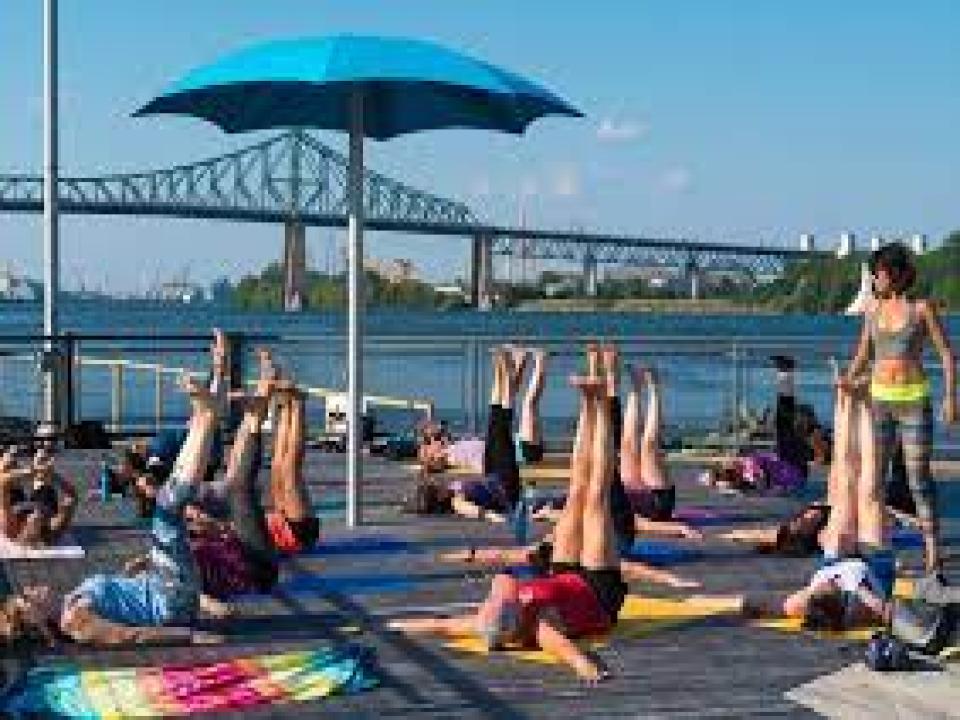
Montreal has a thriving yoga scene. From Mile End studios tucked into converted lofts to riverside classes in Parc Jean-Drapeau, the city offers a rich environment for practice and teaching. If you have ever rolled up your mat after class and thought, “I want to share this,” you are not alone. Many dedicated practitioners reach a point where teaching feels like the natural next step.
This is The Path To Becoming a Yoga Teacher in Montreal (2026 Guide), and it walks you through everything you need to know. We will cover certification standards, how to choose a training program, costs, the local job market, and the realities of building a teaching career in Quebec. The aim is simple: give you clear, accurate information so you can make a confident decision about your future.
Understanding What Certification Actually Means
Yoga teaching is largely an unregulated profession. There is no government licence required to teach yoga in Quebec, and no provincial body that issues a mandatory credential. This surprises many people. It means that, technically, you could teach a class without any formal training at all.
In practice, that almost never happens. Studios, gyms, and wellness centres want assurance that you can teach safely. They rely on recognized credentials to make hiring decisions and to manage their liability. The most widely accepted standard worldwide comes from Yoga Alliance, a US-based registry that sets educational benchmarks for both schools and teachers.
When a school meets Yoga Alliance standards, it earns the Registered Yoga School (RYS) designation. When you complete a 200-hour program at an RYS, you can register as a Registered Yoga Teacher, or RYT 200. This is the entry-level credential, and it is the one most Montreal studios look for. Canada also has its own bodies, including the Canadian Yoga Alliance, and some local schools register with both organizations.
It is worth being clear-eyed here. Certification is voluntary, not legal. A skilled teacher can come from many backgrounds. But for someone starting out, completing a recognized 200-hour training gives you credibility, structure, and the practical tools to teach well. Most employers will expect it.
The 200-Hour Foundation: Your Starting Point
The 200-hour Yoga Teacher Training, often shortened to YTT, is the foundation of nearly every teaching career. It is the minimum professional standard recognized internationally, and it qualifies you to teach beginner and intermediate classes almost anywhere.
A quality 200-hour program covers five core areas. The first is techniques, training, and practice, which includes asana (postures), pranayama (breathwork), and meditation. The second is teaching methodology, where you learn how to sequence a class, give clear cues, observe students, and offer adjustments. The third is anatomy and physiology, both the physical body and the energetic concepts found in yogic tradition. The fourth is yoga philosophy, ethics, and lifestyle, often drawing on texts like the Yoga Sutras. The fifth is the practicum, where you actually practise teaching in front of others and receive feedback.
In Montreal, you will find 200-hour trainings delivered in several formats. Some run as intensive month-long immersions. Many more spread the work across weekends over several months, which suits people who keep their jobs while training. Luna Yoga in Montreal, for example, offers a weekend-based 200-hour program registered with the Canadian Yoga Alliance, with recorded sessions so missed weekends can be made up. Naada Yoga structures its programs on a modular, part-time basis so students can balance work and family.
Expect a real commitment. Beyond the contact hours, you will have reading, journaling, observation hours, and your own daily practice. Most graduates describe the experience as transformative, not just professionally but personally.
 How To Choose the Right Training Program in Montreal
Choosing a program is the single most important decision in this process. The right training shapes how you teach for years. Montreal offers a wide range of schools, each with a distinct character, so take your time comparing them.
Start with accreditation. Confirm the school is a Registered Yoga School with Yoga Alliance, the Canadian Yoga Alliance, or both. You can verify a school’s status directly through the Yoga Alliance school directory. This protects you and ensures your hours will count toward a recognized credential.
Next, consider the style. Montreal schools teach a variety of traditions. Ashtanga Yoga Montreal focuses on the structured Ashtanga lineage. Studios like Luna Yoga blend Jivamukti and vinyasa flow. Institut Yoga Essentiel roots its training in practice, philosophy, and teaching foundations. Think about which style genuinely resonates with your own practice, because you will teach what you train in.
Look closely at the faculty. Yoga Alliance requires lead trainers for RYS 200 programs to hold the experienced E-RYT 500 credential, which signals significant teaching experience. Find out who actually teaches the bulk of the course, not just the school’s founder.
Consider cohort size. Smaller groups generally mean more individual attention and feedback. Some Montreal schools deliberately cap enrolment to keep the experience personal. Finally, weigh logistics honestly. Does the schedule fit your life? Is the location reachable by metro? Is there an online option? Many people benefit from attending a public class at a studio before committing, simply to feel the atmosphere and meet the teachers.
What Yoga Teacher Training Costs in Montreal
Cost matters, and you deserve a realistic picture. In Montreal, a 200-hour yoga teacher training typically ranges from roughly $2,500 to $4,200, depending on the school, the format, and what is included.
Online programs tend to sit at the lower end. Ashtanga Yoga Montreal has advertised its 200-hour training at around $2,500 for the online format and $3,500 in-studio. In-person immersive trainings often cost more because they include more contact hours and sometimes a retreat component. A program at Energie EnCorps has been priced around $4,150, with that figure including a multi-day retreat weekend.
Several factors affect what you actually pay. Many schools offer early-bird discounts, sometimes $500 off, if you register and pay months in advance. Some include required textbooks in the tuition; others do not. Quebec sales taxes, GST and QST, may be added on top of the listed price, so always ask whether the quoted figure is before or after tax.
Payment plans are common and worth asking about. Most Montreal schools allow you to split tuition into two or three installments rather than paying everything upfront. Partial scholarships also exist. HappyTree Yoga and Luna Yoga, among others, have offered scholarship support for their trainings, so it is always worth inquiring directly.
Beyond tuition, budget for a few extras: yoga props, books, comfortable clothing, and the Yoga Alliance registration fee after you graduate. Treat the whole thing as an investment in a skill set, not just a course fee.
 Registering as a Teacher After You Graduate
Completing your 200-hour training is a milestone, but it is not quite the final step if you want the recognized credential. Graduating from a Registered Yoga School makes you eligible to register, but the RYT 200 title is something you apply for separately.
The process is straightforward. After you finish your program, you create an account with Yoga Alliance, submit proof of completion from your RYS, and pay the registration and annual membership fees. Once approved, you may use the RYT 200 designation and appear in the public teacher directory. Studios and prospective students can verify your status there, which builds trust.
A common point of confusion is worth clearing up. RYT 200 is the individual teacher credential. RYS 200 is the school credential. You earn the right to register as an RYT only by completing training at an RYS. The two work together, but they are not the same thing.
Maintaining the credential requires ongoing effort. Yoga Alliance asks registered teachers to complete continuing education to keep their status active. The current standard involves a set number of continuing education hours, typically around 30 hours, plus teaching hours over a multi-year cycle. This requirement nudges teachers to keep learning, which benefits both you and your students. Always confirm the exact current requirements on the official Yoga Alliance website, since standards are periodically updated.
The Montreal Yoga Job Market in 2026
Understanding the market helps you plan realistically. Montreal has a dense yoga community, with studios spread across the Plateau, Mile End, Verdun, Saint-Henri, NDG, and downtown. That density creates opportunity, but it also means competition.
Pay varies widely, and salary data should be read with care. Several sources estimate yoga instructor earnings in Montreal. ZipRecruiter reports an average around $66,280 per year for a yoga teacher in Montreal as of early 2026. The federal Job Bank lists hourly wages for yoga instructors in Quebec in a more modest range, roughly $15.75 to $25.00 per hour. The gap between these figures is real and instructive. Full-time, salaried studio roles are relatively rare. Most teachers are paid per class, often somewhere between $25 and $50 a class depending on the studio, their experience, and class size.
The honest reality is that most Montreal yoga teachers piece together their income. They teach at multiple studios, lead corporate sessions, offer private lessons, and sometimes teach online. Few people walk out of a 200-hour training into a single full-time job. Many keep other work, at least at first.
This is not discouraging news. It simply means a teaching career rewards initiative. Teachers who treat their work like a small business, who build a following, diversify their offerings, and develop a niche, tend to earn more and find more stable work. The market favours the proactive.
Building Your Career After Certification
Certification opens the door, but what you do next determines your trajectory. The first months after training are about gaining real experience and finding your voice as a teacher.
Start by saying yes to opportunities. Cover classes for established teachers. Teach donation-based or community classes. Offer free sessions to friends, family, or local groups. Every class you lead builds confidence, sharpens your cueing, and teaches you how real bodies respond to your instruction. Studios notice teachers who are reliable, prepared, and willing to start small.
Many teachers find that a specialization helps them stand out. Montreal has demand for prenatal yoga, restorative and yin yoga, yoga for seniors, trauma-informed yoga, and corporate wellness. Pursuing a focused continuing education course, such as a 25-hour or 40-hour module in a specific area, can differentiate you and often command higher rates. Local schools like Akasha Yoga Montreal offer focused modules in styles such as yin yoga.
Consider deepening your training over time. The 300-hour advanced training, which combines with your 200-hour to make a 500-hour qualification, allows you to teach more advanced material and, eventually, to train other teachers. It is a longer-term investment, not something to rush into.
Pay attention to the business side. Build a simple website, keep an active and authentic social media presence, collect testimonials, and learn the basics of self-employment in Quebec, including how to handle taxes and invoicing as an independent worker. Networking matters too. Montreal’s yoga community is interconnected, and many teaching opportunities come through relationships rather than job postings. Above all, keep practising and keep learning. The best teachers remain devoted students.
 A Few Honest Considerations Before You Commit
Before you sign up for a training, it helps to reflect honestly on your motivations and expectations. This protects you from disappointment and helps you choose the right path.
First, you do not need to be physically advanced to teach. You do not need to touch your toes to your forehead or hold a perfect handstand. Good teaching is about communication, observation, empathy, and safety, not about performing impressive postures. A consistent, sincere personal practice matters far more than athletic ability.
Second, a 200-hour training is genuinely valuable even if you never teach professionally. Many people enroll purely to deepen their own understanding of yoga, its philosophy, and its history. If that is your reason, that is completely valid.
Third, be realistic about income, especially early on. As the market section above explained, building a sustainable teaching income takes time, persistence, and usually a mix of income streams. Many successful Montreal teachers spent two or three years building up before teaching became their main work, if it ever fully did.
Fourth, language is a practical factor in Montreal. The city is bilingual, and being able to teach in both French and English meaningfully expands your opportunities. If you are comfortable in only one language, you can still find work, but bilingual teachers have a clear advantage.
Finally, take your time choosing. Visit studios, take classes with potential trainers, and ask current teachers about their experiences. The yoga community in Montreal is welcoming and generally happy to share honest advice. A thoughtful, well-researched decision now saves you frustration later.
Conclusion
This has been The Path To Becoming a Yoga Teacher in Montreal (2026 Guide), and the core message is encouraging but grounded. Becoming a yoga teacher in Montreal is very achievable. The path runs through a recognized 200-hour Yoga Teacher Training at a Registered Yoga School, followed by registration as an RYT 200 and ongoing continuing education to keep your credential active.
The main takeaway is this: certification gives you the foundation, but your career is something you build with patience and intention. Montreal offers a wealth of quality training programs across many styles and price points, a vibrant and connected yoga community, and steady demand for skilled teachers. What it does not offer is an instant full-time salary. Most teachers grow their income over time by gaining experience, specializing, diversifying their offerings, and treating their teaching as a genuine vocation and a small business.
If yoga has changed your life and you feel called to share it, that calling is worth following. Choose your training carefully, commit fully to the learning, and step onto the path with realistic expectations and an open heart. Montreal’s mats are waiting for a teacher like you.