
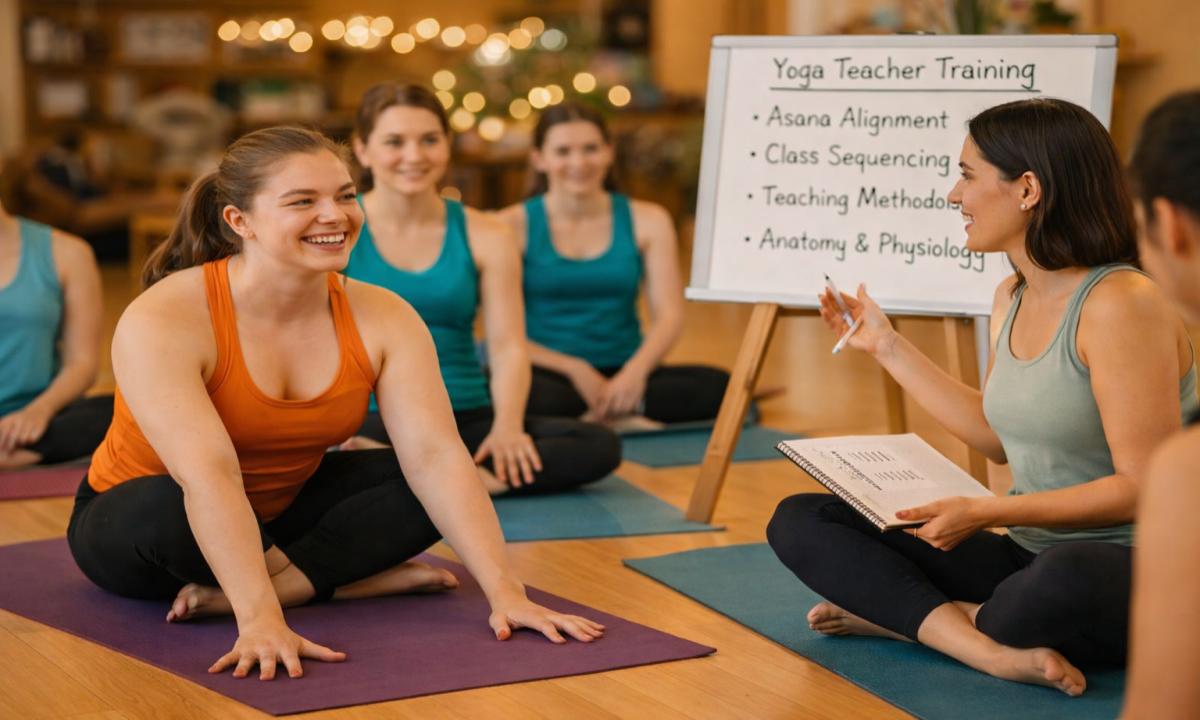
Become A Yoga Teacher For $995 Online or $2295 In Person.
 The Future of Yoga Teacher Training in Montreal
Yoga teacher training has evolved rapidly over the past decade. Technology, cultural shifts, and changing expectations have transformed how people learn yoga and how teachers are trained. In Montreal, this transformation is especially visible. The city has a strong wellness culture, a diverse population, and an expanding interest in yoga education. These conditions make Montreal a fascinating place to observe how yoga teacher training will develop in the coming years.
The future of yoga teacher training in Montreal will likely blend tradition with innovation. Studios continue to value in-person learning, but digital tools are now part of the educational landscape. Students expect flexibility, clear certification standards, and programs that connect yoga philosophy with modern lifestyles. At the same time, communities are seeking authentic teaching rooted in experience rather than purely theoretical instruction.
This article explores how yoga teacher training in Montreal is changing and what prospective trainees can expect in the future. We will look at industry trends, educational models, certification expectations, and the role of community in shaping the next generation of yoga teachers. Anyone considering training in Montreal can benefit from understanding these shifts before choosing a program.
The Growing Demand for Yoga Teacher Training in Montreal
A Strong Wellness Culture Supporting Training Programs
Montreal has long been known for its vibrant cultural scene and strong commitment to wellness. Over the last decade, yoga has become a central part of that culture. Studios across the city offer classes in multiple styles, from traditional Hatha yoga to modern Vinyasa and restorative practices. As participation grows, so does interest in becoming a yoga teacher.
Many students begin yoga for physical health or stress management. Over time, some become deeply interested in the philosophy and teaching methods behind the practice. This curiosity often leads them to consider yoga teacher training. In Montreal, this demand continues to rise because yoga is now widely recognized as both a personal practice and a professional path.
Another factor supporting growth is the city’s diverse population. Montreal attracts students from across Canada and internationally. This diversity encourages studios to offer teacher training programs that address different cultural perspectives and teaching approaches. The result is a rich environment where new teachers can learn from a variety of influences.
Teacher training programs also appeal to people seeking meaningful career transitions. Some trainees plan to teach yoga professionally. Others pursue training for personal growth or to deepen their practice. Both motivations contribute to steady enrollment in Montreal programs.
As interest continues to expand, the future of yoga teacher training in Montreal will likely include more specialized courses, improved teaching standards, and stronger connections between studios and the broader wellness community.
Technology and Online Learning in Yoga Teacher Training
Digital Tools Are Changing How Training Programs Operate
Technology has already influenced yoga education worldwide, and Montreal is no exception. Online learning platforms allow students to access lectures, anatomy lessons, and philosophy modules from home. These tools make training more flexible and accessible for people with busy schedules.
However, yoga remains a physical and experiential practice. For that reason, most respected training programs still emphasize in-person learning. Students must practice adjustments, teaching cues, and posture alignment under the guidance of experienced instructors. These elements are difficult to master through video alone.
The future will likely involve hybrid programs. In these models, students complete theoretical coursework online while attending in-person sessions for practical instruction. This approach balances convenience with the depth of hands-on learning.
Hybrid training also allows schools to invite guest teachers from around the world. Experts in anatomy, meditation, or philosophy can teach specialized modules through live video sessions. Students benefit from broader expertise without leaving Montreal.
Technology also helps programs organize their educational materials. Recorded lectures, digital manuals, and online discussion forums allow trainees to review lessons at their own pace. This reinforces learning and improves retention.
Although technology will continue to influence yoga education, it is unlikely to replace in-person training entirely. Instead, it will complement traditional methods and help create more adaptable programs for modern students.
 Certification Standards and Professional Expectations
Why Clear Certification Will Matter More in the Future
As yoga teacher training expands, certification standards become increasingly important. Students want assurance that their training will be recognized by studios and professional organizations. In Montreal, many programs follow widely accepted 200-hour training frameworks.
This structure typically includes modules in yoga philosophy, anatomy, teaching methodology, and practical teaching experience. Students learn how to guide classes safely while understanding the historical roots of yoga practice.
Professional expectations for yoga teachers are also changing. Studios now look for teachers who understand anatomy, injury prevention, and inclusive teaching methods. This means teacher training programs must provide thorough education rather than focusing only on posture sequences.
Continuing education will likely become more common as well. Many teachers already pursue advanced certifications or specialized workshops after completing their initial training. Topics such as trauma-informed yoga, meditation instruction, and therapeutic yoga are gaining popularity.
For prospective trainees, choosing a program with clear educational standards is essential. A strong program prepares students not only to teach but also to continue learning throughout their careers.
Montreal’s yoga community values thoughtful, well-trained instructors. As the industry grows, the emphasis on professional training standards will likely increase. This shift will help maintain the credibility of yoga teaching as a meaningful profession.
Community and Cultural Influence on Training Programs
Montreal’s Diversity Shapes Yoga Education
Montreal’s multicultural environment influences many aspects of yoga teacher training. Students come from different backgrounds and bring unique perspectives to the practice. This diversity encourages programs to explore yoga philosophy in a broader cultural context.
Many schools emphasize respect for yoga’s historical roots while adapting teachings to contemporary life. Discussions about cultural appreciation, inclusivity, and accessibility often appear in modern training curricula.
Community engagement also plays a significant role in teacher development. Trainees often practice teaching in local studios or community centers. This experience helps them learn how to connect with real students and adapt their teaching style to different groups.
Mentorship is another important aspect of community-based training. Experienced teachers guide trainees through the challenges of leading classes and building confidence as instructors. These relationships often continue long after a program ends.
Montreal’s strong sense of community makes this mentorship model particularly effective. Students can easily find opportunities to practice teaching, attend workshops, and collaborate with other teachers.
The future of yoga teacher training in Montreal will likely continue to emphasize community connection. Programs that encourage collaboration and shared learning will remain valuable for both students and the wider yoga community.
The Importance of In-Person Learning for Future Teachers
Why Physical Presence Still Matters in Yoga Education
Despite advances in technology, in-person learning remains central to effective yoga teacher training. Yoga involves physical movement, breath control, and subtle body awareness. These elements require direct observation and feedback.
In a training environment, instructors demonstrate alignment techniques and assist students with adjustments. Trainees learn how to observe posture and guide others safely. These skills develop through practice and direct interaction.
In-person learning also builds confidence. Teaching a class requires communication, presence, and the ability to respond to students in real time. Practicing these skills in a supportive studio environment helps trainees become comfortable leading others.
Another benefit of face-to-face training is the sense of shared experience. Students practice together, discuss philosophy, and support each other through the challenges of learning to teach. This collaborative atmosphere creates strong bonds among trainees.
Many graduates say that the relationships formed during training become an important part of their professional networks. These connections often lead to teaching opportunities, collaborations, and continued learning.
For these reasons, in-person yoga teacher training will likely remain a core part of yoga education in Montreal. Technology may supplement learning, but the physical and communal aspects of training remain essential.
Conclusion: The Future of Yoga Teacher Training in Montreal
The future of yoga teacher training in Montreal will combine tradition with thoughtful innovation. The city’s strong wellness culture, diverse population, and active yoga community create a fertile environment for training programs to grow and evolve.
Technology will continue to influence education through hybrid learning models and digital resources. At the same time, in-person instruction will remain vital for developing teaching skills and building community connections. Certification standards will likely become clearer, ensuring that new teachers receive thorough and credible training.
For prospective students, Montreal offers an exciting opportunity to learn yoga teaching in a dynamic environment. Programs that balance philosophy, practical experience, and modern teaching methods will prepare the next generation of instructors.
Ultimately, the future of yoga teacher training in Montreal will depend on maintaining the integrity of yoga while adapting to contemporary needs. When programs combine authentic practice with thoughtful education, they help preserve the essence of yoga while making it accessible to new students and teachers alike.