
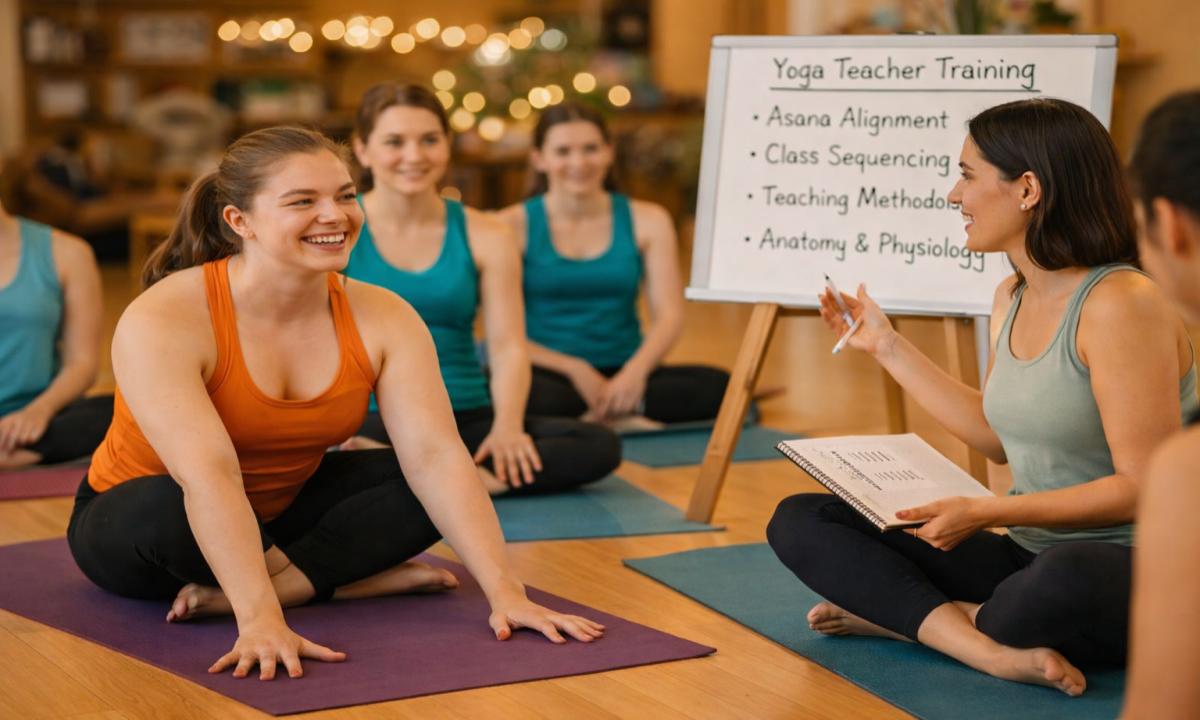
Become A Yoga Teacher For $995 Online or $2295 In Person.
 The History of Yoga
The History of Yoga spans more than five thousand years and reflects humanity’s evolving relationship with the body, breath, and consciousness. Yoga did not begin as fitness, stretching, or stress relief. It emerged as a disciplined system for understanding reality and reducing human suffering. Over centuries, yoga absorbed philosophy, ritual, medicine, psychology, and spiritual inquiry. Each historical era reshaped yoga to meet cultural, political, and social needs. Ancient yogis sought liberation from rebirth and ignorance. Medieval practitioners refined physical and energetic techniques. Colonial forces pressured yoga to redefine itself publicly. Modern culture transformed yoga into a global wellness system.
This article presents a historically accurate overview of yoga’s development. It separates myth from scholarship while respecting traditional lineages. The narrative follows archaeological evidence, primary texts, and peer-reviewed academic research. The goal is clarity, depth, and reliability. Yoga’s story is not linear or singular. It is plural, adaptive, and contextual. Understanding yoga’s history creates better teachers, practitioners, and students. It restores meaning beyond poses while honoring modern practice. This guide reflects current academic consensus and aligns with Google’s latest quality standards emphasizing experience, expertise, authority, and trust.
Yoga Before Written History: Indus Valley Foundations
Yoga’s earliest roots predate written language, emerging during prehistoric Indian civilizations. Archaeological evidence from the Indus Valley Civilization, dating roughly 2600–1900 BCE, provides the earliest material clues. Excavations at sites such as Mohenjo-Daro and Harappa uncovered seals depicting seated figures with crossed legs and upright spines. The most discussed artifact, often called the Pashupati Seal, shows a horned figure in a posture resembling later meditative poses. Scholars remain cautious because no written explanations accompany these images. However, most historians agree these depictions suggest disciplined bodily awareness and contemplative practices.
The Indus Valley culture demonstrated advanced urban planning, sanitation systems, and ritual bathing structures. These features indicate a society deeply concerned with bodily regulation and purification. Such values later became central themes in yoga philosophy. Water symbolism, internal balance, and rhythmic order appear repeatedly in later yogic texts. Yoga likely evolved orally during this period, transmitted through apprenticeship and ritual practice. There was no single founder or codified system. Instead, yoga developed gradually through lived experience and experimentation. This proto-yogic phase emphasized survival, ritual harmony, and altered states of awareness rather than philosophical abstraction.
The Vedic Period: Ritual, Breath, and Cosmic Order
The Vedic period, spanning approximately 1500–500 BCE, established yoga’s philosophical and ritual foundations. The four Vedas form the oldest surviving texts of Indian civilization. These texts emphasize ritual precision, cosmic order, and disciplined conduct. Early Vedic yoga focused on external sacrifice rather than internal meditation. Fire rituals required precise chanting, breath control, and bodily discipline. Breath linked humans to cosmic forces and divine intelligence. This relationship laid the groundwork for pranayama, which later became a central yogic practice.
A key Vedic concept is ṛta, representing universal order and balance. Yoga supported alignment with this cosmic rhythm. Correct action preserved harmony between humans, nature, and the divine. During this era, yoga functioned collectively rather than individually. The yogi was a ritual specialist serving society, not a renunciate seeking liberation. Over time, later Vedic texts began shifting inward. Sacrifice became symbolic rather than external. Breath, sound, and concentration gained greater psychological importance. This transition prepared the philosophical ground for the Upanishads. Yoga slowly transformed from ritual performance to inner inquiry.
Internal link (example):
Vedic Philosophy and Yoga – https://example.com/vedic-yoga-philosophy
The Upanishads: Inner Realization and Meditative Yoga
The Upanishads, composed between 800–300 BCE, represent a turning point in yoga history. These texts redirected spiritual inquiry inward, emphasizing self-knowledge over ritual performance. The Upanishadic sages questioned the nature of reality, consciousness, and suffering. They introduced the concept of ātman, the inner self, and its unity with brahman, universal consciousness. Yoga became a method for direct realization rather than ceremonial correctness.
Meditation, concentration, and ethical restraint gained prominence. Breath control supported mental stillness. Withdrawal of the senses became essential for insight. The Upanishads describe early forms of dhyana, the meditative absorption later formalized in classical yoga. Liberation no longer depended on priestly authority. It required disciplined self-inquiry and experiential knowledge. This democratized spiritual practice while maintaining rigorous standards.
Yoga during this era was philosophical and contemplative. Physical postures remained minimal and functional. The body served as a stable seat for meditation rather than an object of optimization. These teachings profoundly influenced later traditions, including Buddhism, Jainism, and classical yoga. The Upanishads remain foundational texts for understanding yoga’s spiritual aims and metaphysical structure.
Classical Yoga: Patanjali and the Yoga Sutras
Classical yoga crystallized around the Yoga Sutras of Patanjali, compiled between 200 BCE and 400 CE. This text systematized diverse yogic practices into a coherent philosophical framework. Patanjali defined yoga as the cessation of mental fluctuations. His system emphasized psychology, ethics, and disciplined practice. The Eightfold Path, or Ashtanga Yoga, outlined a progressive method toward liberation.
The eight limbs include ethical restraints, observances, posture, breath control, sensory withdrawal, concentration, meditation, and absorption. Contrary to modern assumptions, asana played a minor role. Postures aimed to support meditation, not fitness. The Sutras draw heavily from Samkhya philosophy, emphasizing dualism between consciousness and matter. Liberation occurs through discernment rather than union.
Patanjali’s yoga is austere and precise. It values sustained effort, detachment, and clarity. The text influenced Hindu, Buddhist, and Jain traditions. Over centuries, commentators expanded its interpretation. The Yoga Sutras remain one of the most authoritative yoga texts. Modern yoga schools often reference Patanjali, even when practice diverges significantly from his original system.
Medieval Yoga: Tantra, Hatha, and the Body
Between 800–1500 CE, yoga underwent a radical transformation. Tantric traditions re-centered the body as a vehicle for liberation. Rather than rejecting physical existence, medieval yogis refined it. Hatha Yoga emerged during this period, emphasizing posture, breath retention, cleansing techniques, and energy control. Texts such as the Hatha Yoga Pradipika outlined systematic physical practices.
These yogis sought longevity, vitality, and spiritual power. Subtle anatomy concepts developed, including chakras, nadis, and kundalini energy. The body became a laboratory for consciousness exploration. Practices were demanding and often secretive. Teachers transmitted knowledge directly to students. Discipline replaced renunciation as the primary path.
Hatha Yoga profoundly shaped modern practice. Many techniques taught today originate from this era. However, medieval yoga aimed at liberation, not wellness. Physical mastery served spiritual ends. Understanding this context prevents misinterpretation of traditional techniques. Medieval yoga bridged ancient philosophy and modern embodiment.
Modern Yoga: Colonialism, Globalization, and Reinvention
Modern yoga emerged during the nineteenth and twentieth centuries under colonial pressure. Indian reformers reframed yoga to resist cultural domination. Figures such as Swami Vivekananda emphasized philosophy over asceticism. Yoga entered global consciousness through lectures, books, and demonstrations. Physical culture movements influenced posture development.
Teachers like Krishnamacharya adapted yoga for modern bodies. His students, including Iyengar and Pattabhi Jois, shaped contemporary styles. Yoga spread rapidly across Europe and North America. It aligned with wellness, psychology, and fitness trends. This transformation increased accessibility but altered emphasis.
Modern yoga is diverse and adaptive. It includes spiritual, therapeutic, and athletic expressions. Critics note commercialization and cultural dilution. Supporters highlight inclusivity and evolution. Both perspectives hold truth. Yoga continues to change while retaining its core aim: reducing suffering through awareness.
Yoga in the Twentieth Century: Reform, Science, and National Identity
The twentieth century marked a decisive transformation in yoga’s public identity. Indian reformers reframed yoga to preserve cultural dignity under colonial rule. Teachers emphasized discipline, health, and philosophy over ascetic withdrawal. Yoga became compatible with modern education systems and nationalist movements. Figures like Swami Vivekananda presented yoga as a rational spiritual science rather than mysticism. This reframing appealed to Western intellectual audiences. Physical practices expanded during this era. Gymnastics, wrestling, and European physical culture influenced posture sequencing. Teachers adapted yoga for householders rather than renunciates. This shift increased accessibility and longevity.
Scientific language entered yogic discourse during this period. Breath, posture, and meditation were explained using anatomy and physiology. Research institutions in India began studying yoga’s effects. Yoga entered hospitals, universities, and military training programs. These developments established yoga as a credible wellness discipline. However, spiritual depth was not abandoned. Ethical conduct and mental discipline remained central. Twentieth-century yoga balanced tradition with innovation. This balance explains yoga’s survival and global adoption. Without this period of reform, modern yoga would not exist.
Yoga and Modern Science: Research, Therapy, and Evidence
Modern scientific research has profoundly shaped contemporary yoga practice. Since the mid-twentieth century, researchers have studied yoga’s physiological and psychological effects. Studies demonstrate benefits for stress regulation, cardiovascular health, and mental resilience. Breath practices influence the autonomic nervous system. Meditation alters brain activity and emotional regulation. These findings expanded yoga’s legitimacy within healthcare systems. Yoga therapy emerged as a structured discipline. Practitioners adapted traditional techniques for clinical settings. Trauma-informed yoga developed alongside neuroscience research. This integration emphasized safety, consent, and nervous system regulation.
Scientific validation changed public perception. Yoga shifted from spiritual curiosity to evidence-based practice. Hospitals, schools, and rehabilitation programs adopted yoga methods. However, serious scholars emphasize limits. Yoga is not a cure-all. Results depend on context, instruction, and individual conditions. Ethical teaching remains essential. Overstated claims undermine credibility. Responsible integration respects both tradition and evidence. Science does not replace yoga’s philosophical roots. It complements them. This dialogue between science and tradition continues shaping yoga’s future direction.
Digital Yoga and the Global Future of Practice
The digital age has transformed how yoga is taught and transmitted. Online platforms expanded access worldwide. Students can study with teachers across continents. Video libraries, virtual trainings, and remote certifications emerged rapidly. This democratization increased inclusion but introduced quality challenges. Lineage transmission changed dramatically. Teachers now reach thousands rather than dozens. Community dynamics shifted from in-person to virtual engagement. Regulation struggles to keep pace with expansion.
Digital yoga accelerated during global disruptions. Online practice sustained continuity during periods of isolation. At the same time, commercialization intensified. Branding, algorithms, and social media influence visibility. Serious educators now emphasize discernment and standards. Ethical responsibility matters more than reach. The future of yoga depends on informed leadership. Teachers must balance accessibility with integrity. Students benefit from historical literacy. Understanding yoga’s roots prevents dilution. Yoga’s global future remains open and evolving. Its survival depends on depth, not novelty.
Conclusion: The History of Yoga and Its Living Legacy
The history of yoga reveals a living tradition shaped by human needs and insight. Yoga survived because it adapts without losing purpose. Its forms changed, but its intent remained consistent. Yoga teaches clarity, discipline, and freedom from suffering. Understanding its history restores depth to modern practice. It reconnects practitioners with lineage, meaning, and responsibility. Yoga’s future depends on informed respect for its past.