
 Orientation
Calgary is one of the largest cities in western Canada situated close to the came Rocky Mountains in what is known as the foothills.
It is the oil Center of Canada for the past 50 years. With the population nearing almost two million, it is now the fourth largest city in Canada. It's kind of me has diversified from energy over the past years becoming a financial, film, television and technological center. Calgary scores as one of the most livable cities within the world, as well as within Canada.
Things To Do In Calgary
Devonian Gardens

This was a project and experiment from the crazy development in the downtown in the 1970s. Its purpose was to provide some form a tropical oasis from what is eight months a year of snow in Calgary. Located right downtown, the Garden is 2 acres in size. It has over 500 plants from 5 climate zones. It is free for all ages.
 Opened in the 1950s, it was an attempt to set aside recreation areas for the growling defined development in Calgary. The Park is about 50 acres and full of paths for walking and running and is beautiful in the fall.
Heritage Park Historical Village
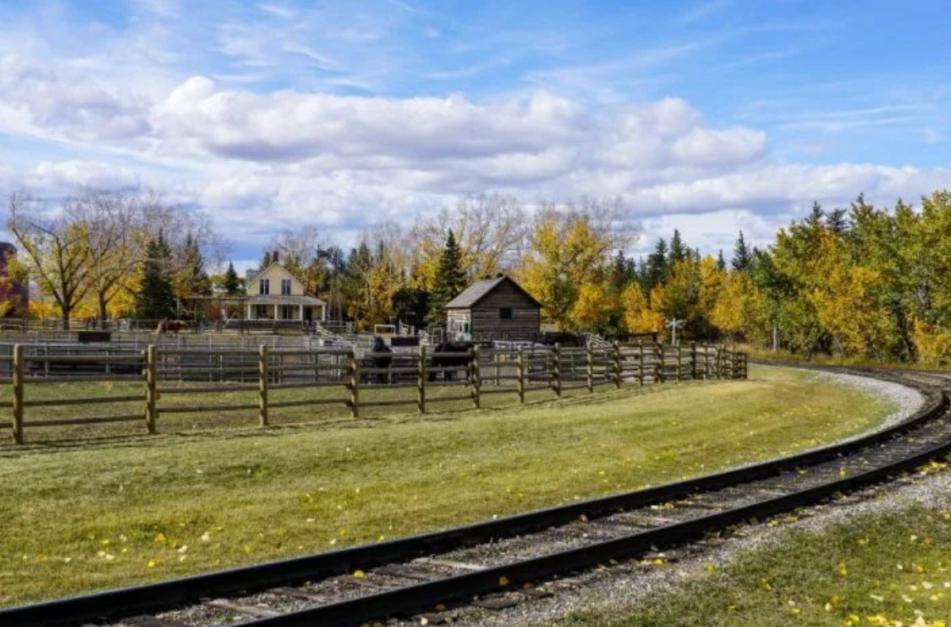 This hundred acre Park is located in the southwest part of a city, it hugs the Glenmore Reservoir. It's open from May until Thanksgiving every year and it's a historic replica of the first communities in the area. Cost less than $10 for a family to come in.
Calgary Tower
The Calgary Tower is over 600 feet and mimics the CN Tower in Toronto. It is over 50 years old and provides views up to 100 km away, providing great views of the Canadian Rockies which are west of the city.
Activities in Calgary
Calaway Park is Western Canada's largest outdoor family amusement park. Located just a few kilometers west of Calgary, it features over 30 rides and attractions, including a roller coaster, log flume, and spinning rides. There are also live entertainment shows, games, and a variety of food options. It's a great place for a fun-filled day out with the family.
Calgary Zoo
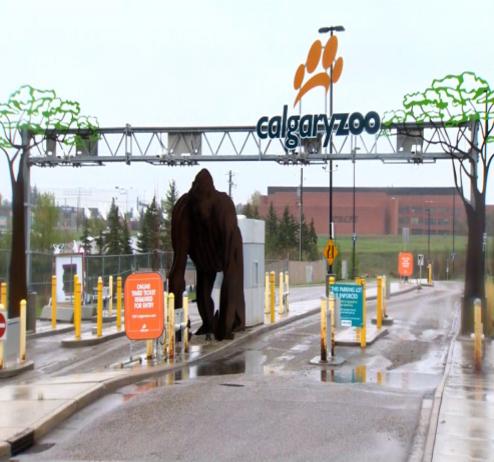
The Calgary Zoo has been around for almost 50 years. It is 100 acres with distinct zones housing over 250 different species. The Calgary C-Train has a station that stops there. The Zoo has been completely upgraded due to the 2015 floods which submerged the entire Zoo at one point.
Fort Calgary
For Calgary was the original settlement of Calgary going back almost 250 years. This is where the Hudson Bay Company created with the local Indians. Today it is refurbished and the initial wooden structures of the Fortress remain. It provides an excellent idea of what living 20 years ago was like in the area.
Canada Olympic Park
The park is where the 1988 Winter Olympics held the ski jumping and bobsledding competitions. Today the park is still used for skiing and trainings for the Canadiens team bobsledding and luding the park also provides Trails for mountain biking hiking. the Park is open year-round and is free of charge.
Calgary Saddledome
The Calgary Flames have played here for over 40 years. It is also home to all concerts and other large event venues, like the Calgary Stampede, are held.
Calgary Stampede
The 10-day event which happens in July let's the cowboy spirit of the city come alive. The Stampede has rodeos, Derbies, a midway, kiosks, and beer tents.
The center has several venues, including the Jack Singer Concert Hall, the Max Bell Theatre, and the Martha Cohen Theatre. These spaces host a range of performances, from theater productions to dance performances to live music concerts.
In addition to performances, Arts Commons offers educational programs, workshops, and community events. There are opportunities for people of all ages and experience levels to engage with the arts and explore their creativity.
Arts Commons is also home to several resident arts organizations, including Alberta Ballet, Calgary Philharmonic Orchestra, and Theatre Calgary. These organizations contribute to the vibrancy of the arts scene in Calgary and provide opportunities for local artists and performers to showcase their work.
Overall, Arts Commons is a dynamic and exciting place to explore the arts in Calgary. Whether you're a seasoned arts enthusiast or a curious newcomer, there's something for everyone to enjoy at this cultural center.
Trips From Calgary
Banff
About 1 hour away from Calgary to the West. Banff National Park was established in 1885 when the CPR Railway was being constructed across Canada. In the town of Banff - the center of the Park - is the hundred-year-old Banff Springs Hotel.
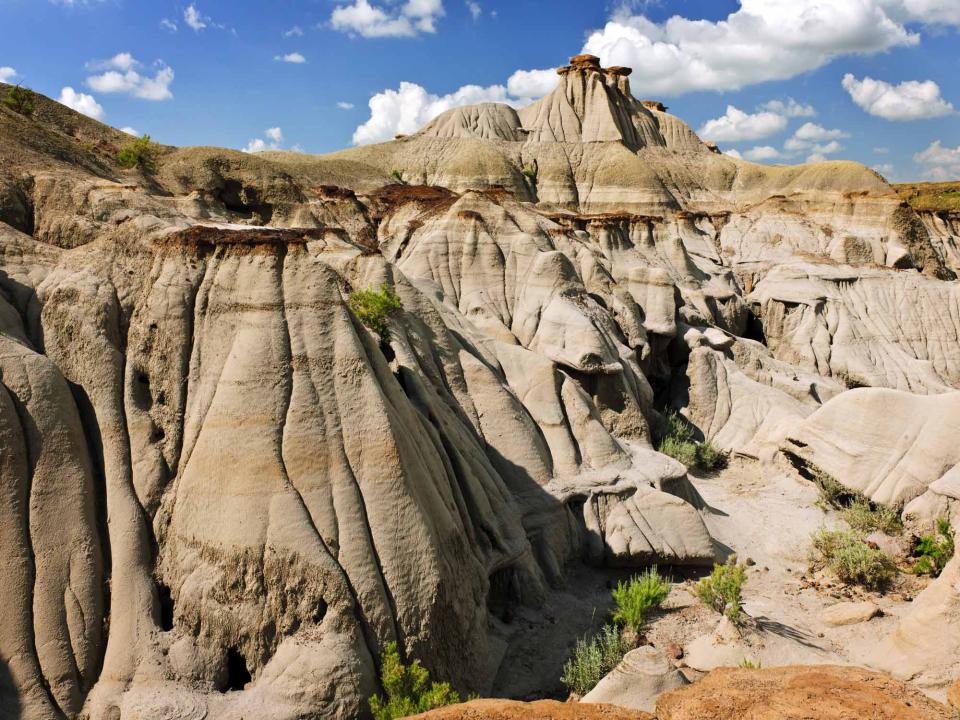 Drumheller
Drumheller, located about 1.5 hours northeast of Calgary, is known as the "Dinosaur Capital of the World." It is home to the Royal Tyrrell Museum, which houses one of the world's largest displays of dinosaurs. Visitors can also explore the Canadian Badlands, with its unique landscape of hoodoos and canyons. Other attractions include the Drumheller Dinosaur & Fossil World, the World's Largest Dinosaur, and the Atlas Coal Mine National Historic Site. Drumheller offers a unique and educational experience for visitors of all ages.
Kananaskis
Kananaskis Nordic Spa, just 1 hour west of Calgary. Aside to offering world class skiing on Mount Allan, the spa has an outdoor pool, saunas, and steam room and hydrotherapy.
Lake Louise
Lake Louise is another iconic location west of Calgary. About 30 minutes from the town of Banff Lake Louise is world famous emerald lake situated in front of it is the Lake Louise Lodge. Lake Louise is also home to the world-renowned Lake Louise Ski Resort.
Jasper National Park
It is a stunning wilderness area located in the Canadian Rockies, about four hours from Calgary. It's the largest national park in the Canadian Rockies, covering over 11,000 square kilometers, and it's known for its stunning landscapes, abundant wildlife, and outdoor activities.
One of the highlights of Jasper National Park is the famous Icefields Parkway, which connects Jasper to Banff National Park and offers some of the most scenic drives in Canada. Along the way, you can see stunning glaciers, turquoise lakes, and snow-capped peaks.
Overall, Jasper National Park is a must-visit destination for anyone exploring the Canadian Rockies. With its stunning landscapes, outdoor activities, and wildlife viewing opportunities, it's a natural paradise that's sure to leave a lasting impression.